
Science and Nutrition
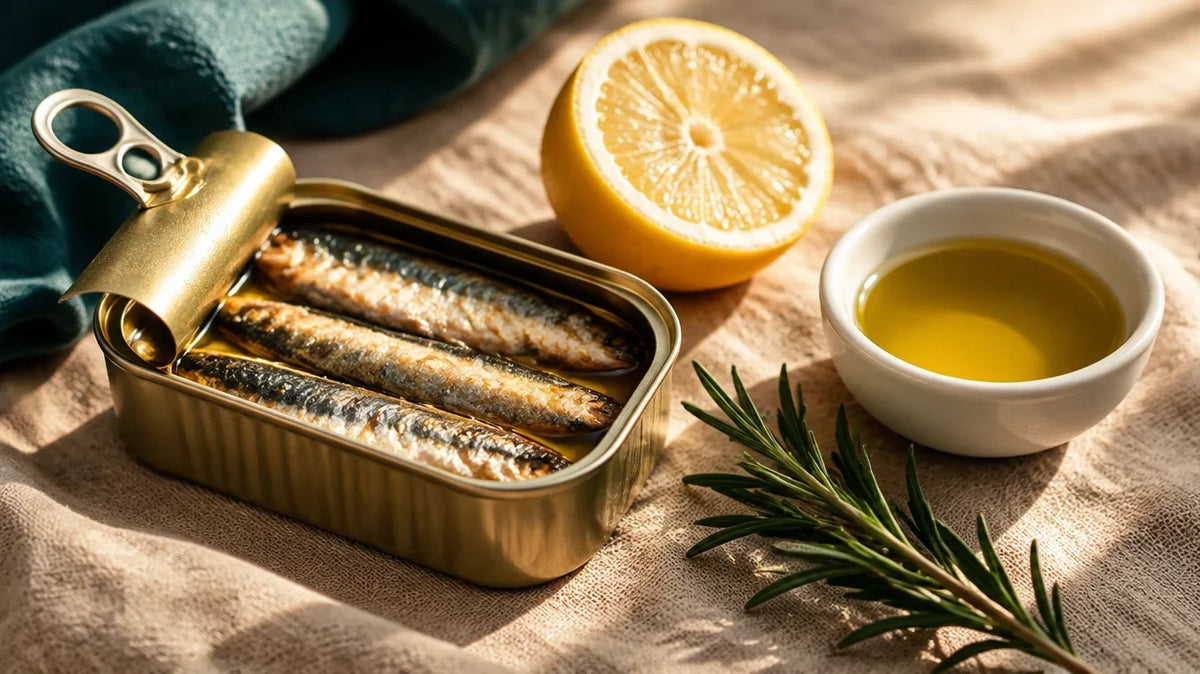
Sardines: benefits for muscles after age 50

Menopause blood test: which hormone levels to measure and how to interpret them

Hair and nails during menopause: which vitamins should you choose?

Marine collagen: benefits, risks, and how to choose it
Best collagen for menopause: a comparative guide to marine, bovine, and plant-based options
During menopause, the drop in estrogen causes a 30% loss of skin collagen over five years. This guide compares the sources, molecular forms, and dosages—so you can choose based on the right scientific criteria, not marketing claims.
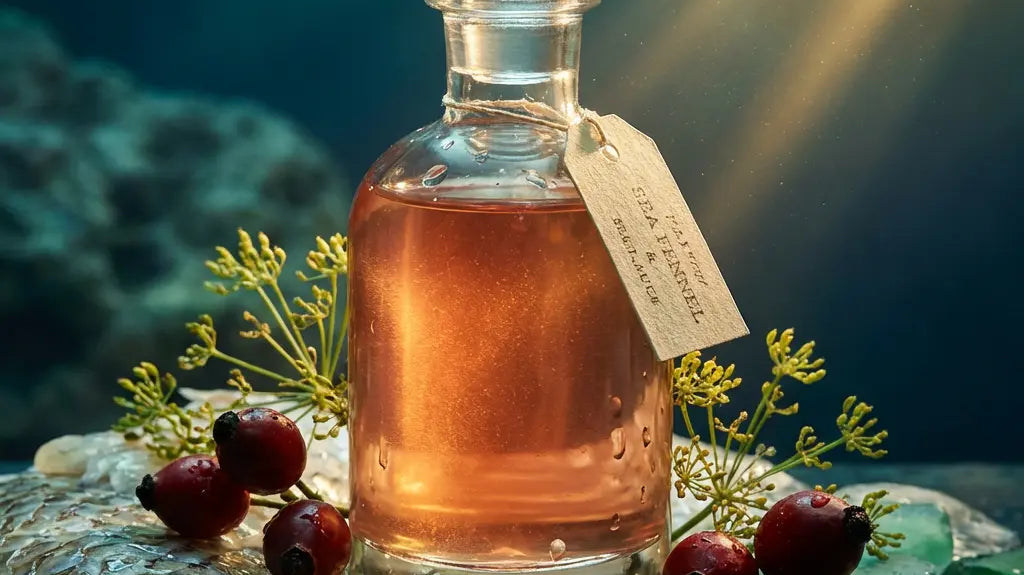
Best marine collagen: types and how to choose
Marine, bovine, type I, II, or III: not all collagens are created equal. The scientific guide to choosing the one that matches your goal after age 40.
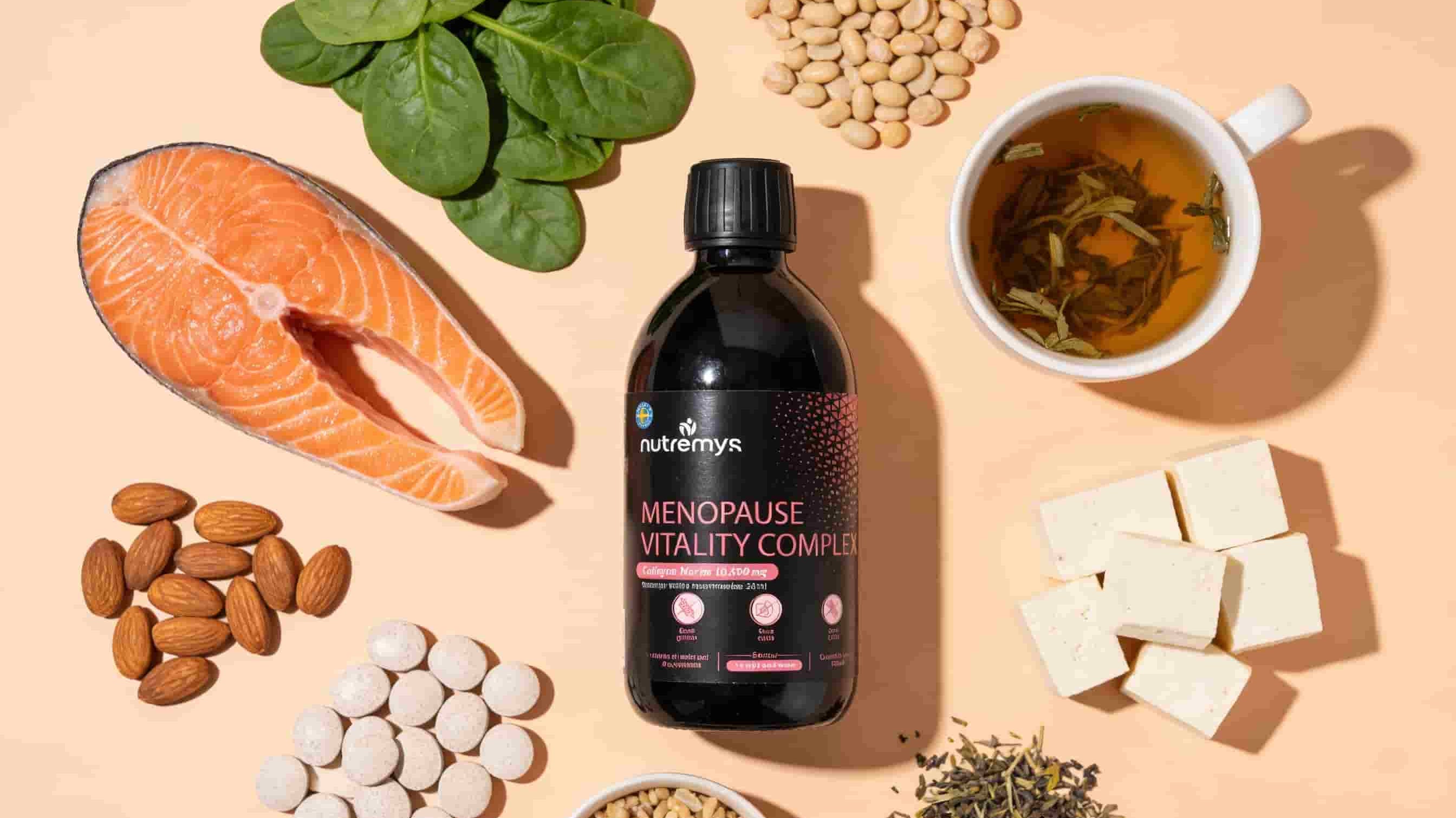
Menopause supplement: liquid or capsules?
Liquid or capsules for menopause? Absorption, collagen dosage, and adherence: what the form of your supplement really changes, explained by science.
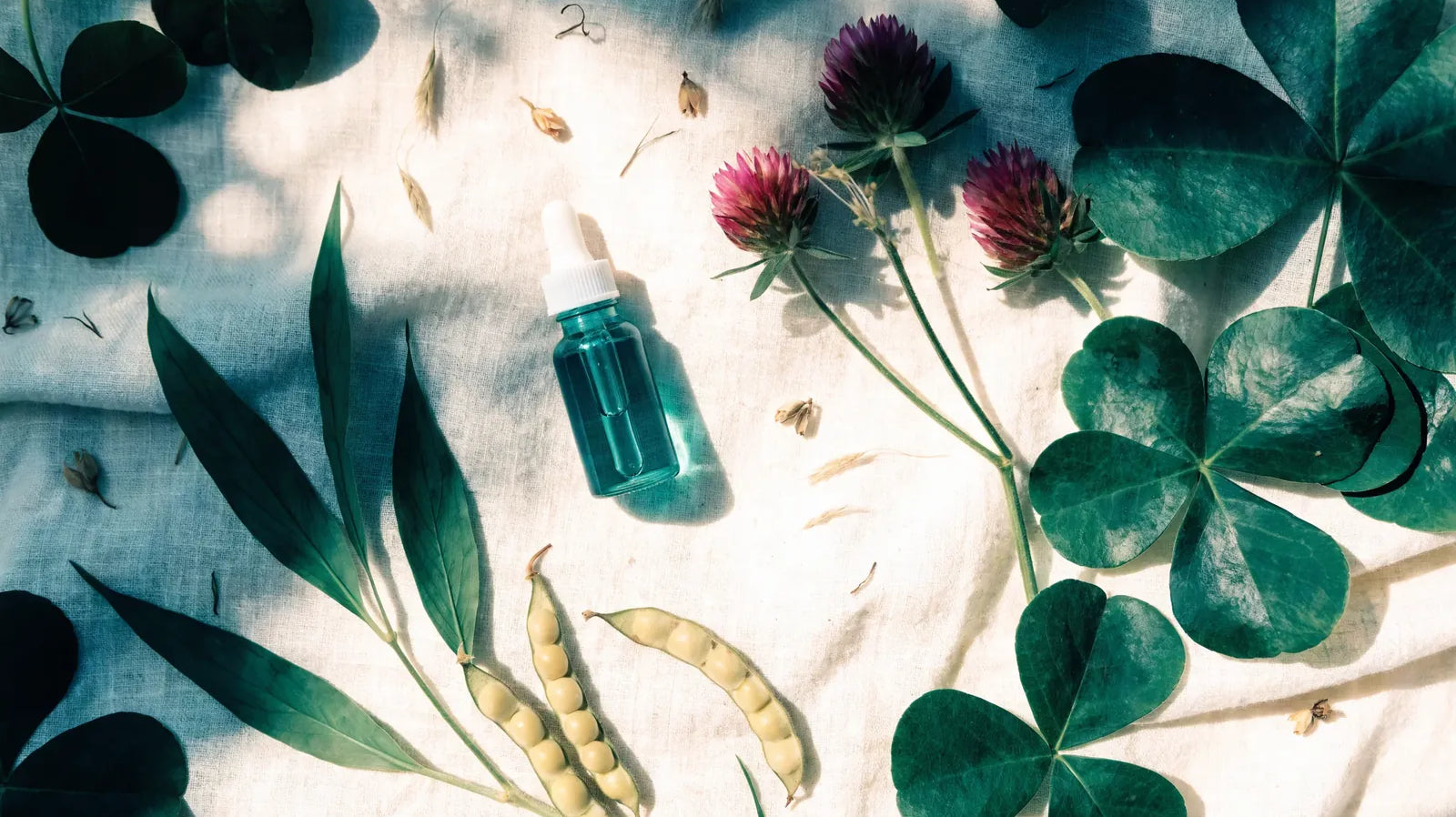
Phytoestrogens and Isoflavones: A Complete Guide to Menopause
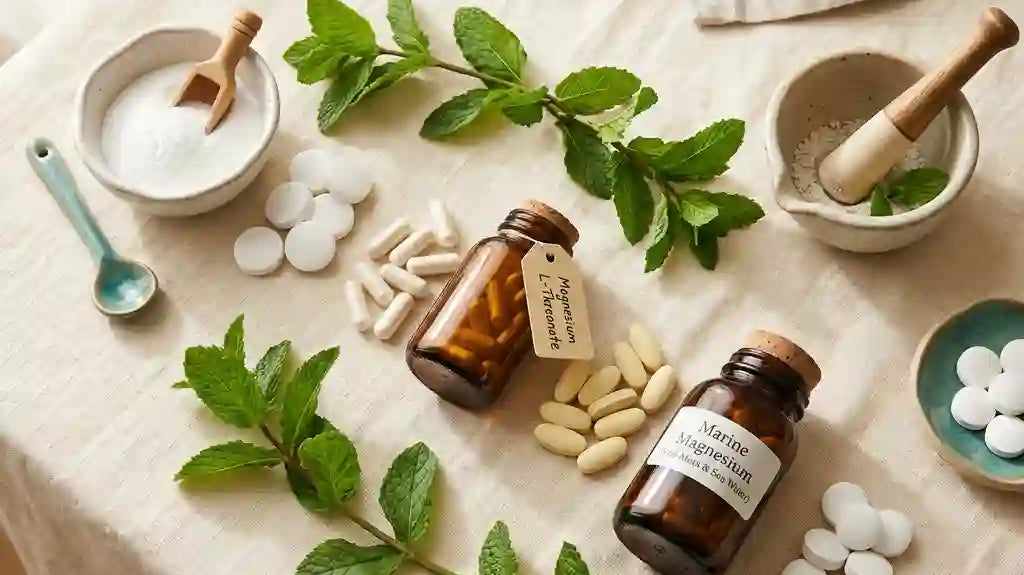
Which magnesium should you choose? A complete guide to the 7 forms, dosages, and best times to take it

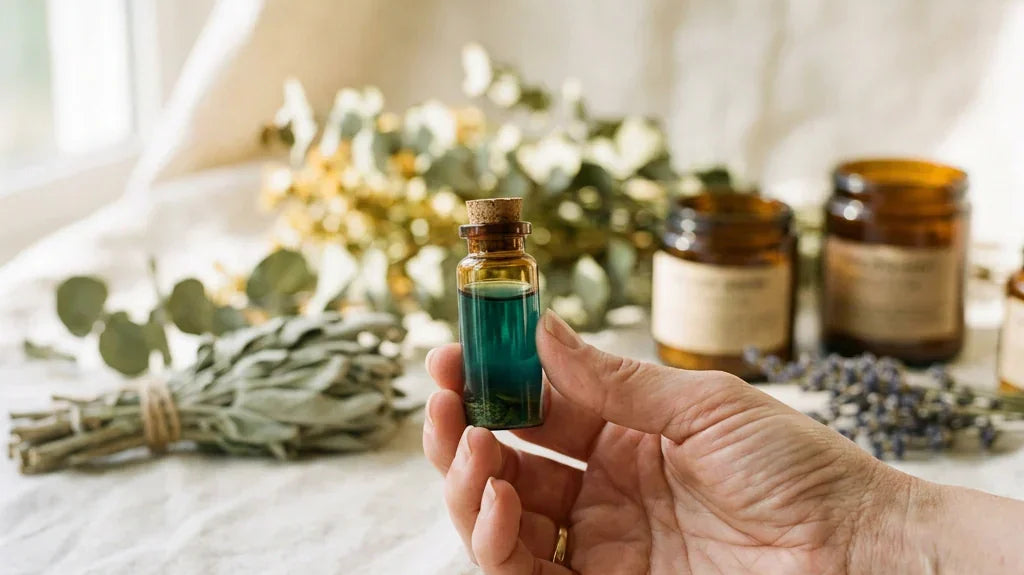
Grandma’s remedies for hot flashes: what science really says
Sage, valerian, homeopathy… Nutremys’s gynecologist evaluates each traditional remedy with scientific honesty.
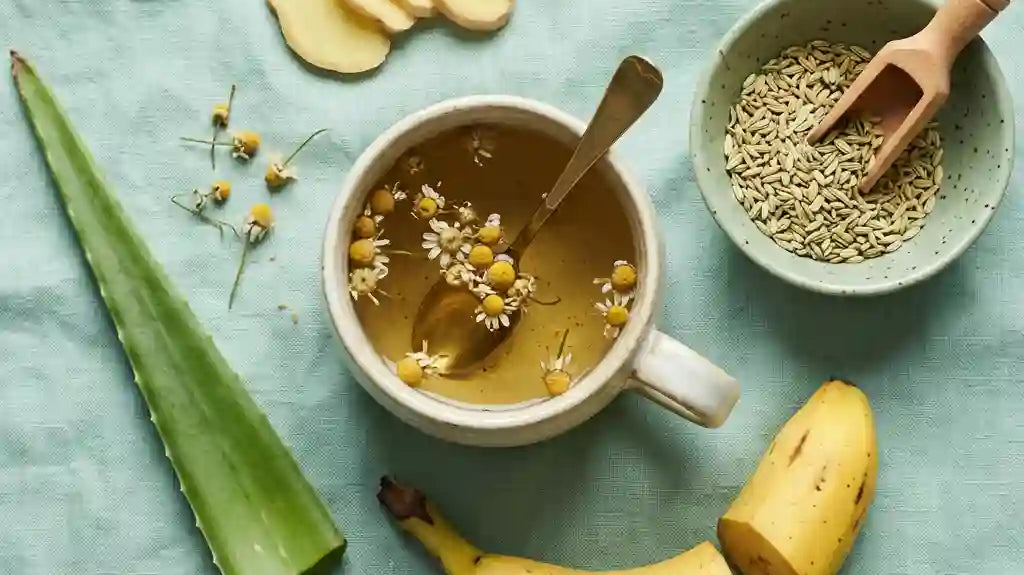
Heartburn: natural remedies & relief
Heartburn: natural remedies and fast relief
A burning sensation in the chest, acid reflux, discomfort after meals… Stomach acidity affects millions of people. Discover its causes, the most effective natural remedies, and the habits that really make a difference.
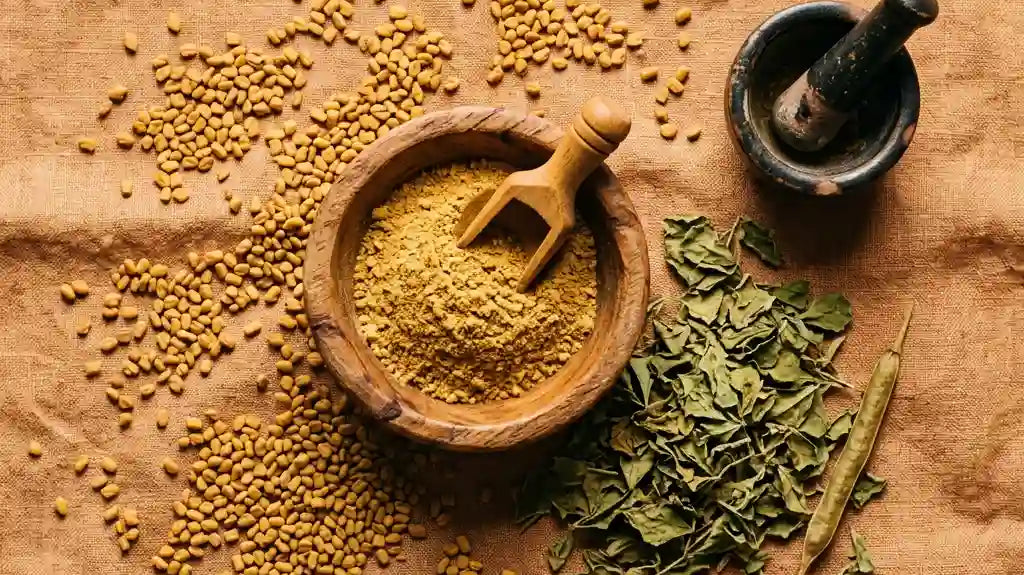
Fenugreek benefits for women: properties, benefits, and how to use it
Fenugreek: a plant that has brought together culinary tradition and herbal medicine for 4,000 years
Fenugreek (Trigonella foenum-graecum) is one of the best-documented medicinal plants in Ayurvedic, Mediterranean, and Middle Eastern traditions. Its seeds and leaves are both a culinary spice and a herbal medicine resource rich in bioactive compounds.
In this article, we explore its scientifically documented properties — antioxidant, digestive, hormonal, and metabolic — as well as the best ways to incorporate it into your diet or daily care routine.
