

At a glance
- The drop in estrogen levels promotes the storage of visceral fat (around the organs), which is more inflammatory.
- The No. 1 lever isn't a diet, but insulin, satiety and muscle.
- Top 5 foods: green tea, nuts, protein, oats and legumes (No. 1).
- Aim for 1.2 to 1.6 g of protein per kg per day, spread across meals.
- The best exercise isn't ab exercises: it's strength training.
Why fat settles around the belly during menopause
“I weigh almost the same as before, but my body has completely changed.” I hear this sentence every week in consultations. And it is true: the body has changed, not because the metabolism is “broken,” but because menopause changes the rules of the game.
When estrogen levels drop, the body stops storing fat mainly around the hips and thighs and begins depositing it around the organs, in the abdomen: this is visceral fat. It is not simply an energy store: it is metabolically active, produces inflammatory substances, promotes insulin resistance and increases the risk of type 2 diabetes, cardiovascular disease and fatty liver disease.
The good news? We can't prevent hormonal changes, but we can influence the response of the metabolism. Some foods improve insulin sensitivity, increase satiety, nourish a healthier microbiome and help preserve muscle - four essential levers for fighting abdominal fat.

The 5 foods best supported by science
N°5 - Green tea
Rich in catechins (including EGCG) and a little natural caffeine, green tea seems to slightly increase energy expenditure and the use of fat as fuel. Above all, regular consumption may help improve insulin sensitivity — key during menopause, when high insulin levels promote abdominal fat storage. Two to three cups a day, alongside a healthy diet.
No. 4 — Nuts (tree nuts)
Almonds, walnuts, pistachios, hazelnuts: long accused of “making you gain weight,” they are actually filling thanks to their trio of unsaturated fats + protein + fiber. Large studies show that people who eat them regularly do not gain more weight — and replacing cookies or ultra-processed foods with a handful helps better control appetite and waist circumference. Aim for 20 to 30 g per day, plain, neither fried nor salted.
No. 3 — Protein
From age 50 onward, we lose muscle more quickly. Yet muscle is the tissue that uses the most energy at rest: preserving it means keeping an active metabolism. Protein also increases satiety. Many women benefit from consuming 1.2 to 1.6 g of protein per kg of body weight per day, spread across meals (at least ~30 g of high-quality protein per meal). Good sources: eggs, fish, Greek yogurt, fresh cheese, lean meats, poultry, tofu, soy.
No. 2 — Oats
Its soluble fiber, beta-glucan, forms a gel that slows digestion: greater satiety, fewer cravings and, above all, a more gradual rise in blood sugar (and therefore less insulin). Its fiber also nourishes a beneficial gut microbiome. Aim for 30 to 60 g per day, always combined with a source of protein (yogurt, milk, egg).
No. 1 — Legumes
Lentils, chickpeas, beans, peas: the hardest combination to beat. Plant-based proteins, high amounts of fiber, slow-digesting carbohydrates, vitamins, minerals and bioactive compounds. They tackle several problems at once: satiety, blood sugar control, muscle maintenance and stable energy. It is no coincidence that they are a cornerstone of the Mediterranean diet. Aim for 2 to 3 times a week: lentil salads, chickpea hummus, soups, homemade patties.
The best exercise: strength training (not ab exercises)
It is often thought that to lose belly fat, you need to do abdominal exercises or run. Science says otherwise. If I had to choose just one type of exercise during menopause, it would be strength training. It helps preserve muscle mass, improves insulin sensitivity and, combined with a diet rich in protein and fiber, promotes a reduction in visceral fat.
No gym needed: squats, standing up from and sitting down on a chair, deadlifts with two water bottles, resistance-band rows, wall push-ups. 2 to 3 sessions per week are enough for real benefits. The important thing is to progressively challenge the muscles.

Signs that additional support may help
During menopause, the need for protein, calcium, and certain micronutrients increases, and diet alone is not always enough. A few signs deserve attention:
- Persistent fatigue and slower recovery after exercise.
- Muscle loss despite regular activity.
- Stiffer joints and skin that loses firmness (declining collagen).
Diet and strength training remain the foundation. See also our essential supplements after 50 and our guide to protein deficiency.
Support your metabolism during menopause
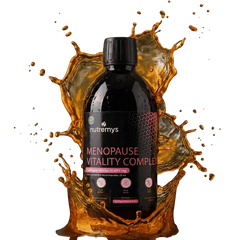
A balanced plate and strength training come first - and, as support, our Menopause Vitality Complex combines collagen and targeted active ingredients to support your vitality.
Discover Menopause Vitality ComplexFrequently asked questions
Can you target belly fat with a food?
No, no single food «burns» visceral fat. But green tea, nuts, protein, oats, and legumes work together on insulin, satiety, and muscle, creating a much more favorable environment - especially when combined with strength training.
How much protein per day during menopause?
Often 1.2 to 1.6 g per kg of body weight per day, spread across meals (at least ~30 g of high-quality protein per meal) to better preserve muscle. Adjust according to health status and activity level.
Should you avoid carbohydrates such as oats and legumes?
No. They are slow-absorbing carbohydrates, rich in fiber: they raise blood sugar gradually and keep you feeling full. They are actually part of the solution, not the problem.
Do ab exercises help lose belly fat?
Not really. Overall strength training (2-3 times/week) is much more effective for preserving muscle, improving insulin sensitivity, and reducing visceral fat.
This article is for informational purposes and does not replace medical advice.
Scientific sources
- EFSA — Health claims (oat beta-glucan and blood sugar; protein and muscle mass).
- The North American Menopause Society (NAMS) — Fat distribution and menopause.
- Studies on green tea, catechins (EGCG), and insulin sensitivity (nutrition reviews).
- Studies on nut consumption and weight and waist circumference control.
- WHO / recommendations on physical activity and strength training.
Related articles

The information shared on this blog is for educational and informational purposes only. It does not replace medical consultation, diagnosis or treatment prescribed by a healthcare professional. If you have symptoms, are undergoing treatment or are pregnant, consult your doctor before modifying your diet or starting supplementation. Nutremys LAB food supplements should not replace a varied, balanced diet or a healthy lifestyle.
