



At a glance
- Leafy greens are rich in nitrates, which help relax blood vessels.
- Potassium (legumes, tomatoes, root vegetables) contributes to normal blood pressure.
- Fiber helps maintain normal cholesterol levels and nourishes the microbiota.
- Tomatoes cooked with a drizzle of olive oil release more lycopene.
- Limit: excess sugar, ultra-processed foods, and too much salt.
Why vegetables protect your blood vessels
After 50, taking care of your heart starts with what you put on your plate. Vegetables are not magical, but they combine several important mechanisms: the nitrates in leafy greens help relax blood vessels and promote smoother circulation; potassium contributes to normal blood pressure and balances the effects of sodium; fiber helps maintain normal cholesterol by trapping some bile acids and nourishes a beneficial microbiota; finally, antioxidants (lycopene, polyphenols, carotenoids) protect artery walls from everyday oxidative stress.
The logic is simple: the more we add these protective foods and limit what harms the blood vessels, the better we feel.

The best vegetables for your heart
Green leaves (spinach, arugula, Swiss chard)
Rich in natural nitrates and antioxidants, and very low in calories. A handful of raw spinach in a morning smoothie is a simple and effective habit.
Cruciferous vegetables (broccoli, cauliflower, cabbage)
They provide fiber and sulforaphane, a compound that supports natural antioxidant defenses. Steam them for 3 to 5 minutes (no longer) to better preserve this nutrient; a pinch of mustard powder activates it further.
The tomato (lycopene)
Its lycopene - the red pigment - is a powerful antioxidant, better absorbed when the tomato is cooked (sauce, soup) and combined with good fats such as olive oil. Keep the skin on, where it is most concentrated, after washing thoroughly.
Garlic, onion and leek (the alliums)
Rich in fructo-oligosaccharides (FOS), prebiotics that nourish the good bacteria in the gut. A healthy microbiota also benefits the heart. Ideally eat them raw or lightly cooked, and chop them a few minutes before serving.
Legumes (lentils, chickpeas, edamame)
Fiber, plant proteins, potassium and magnesium: a combination that contributes to normal blood pressure and normal cholesterol levels. Edamame, rich in isoflavones, is particularly beneficial after age 45. Soak, then cook in fresh water for better digestion.
Root vegetables and tubers (carrot, sweet potato, turnip)
True reservoirs of fiber, potassium and carotenoids. Baked or steamed, with the skin on, they are a better alternative to fried foods.
And also, as a regular addition: mushrooms (beta-glucans), celery (apigenin, gentle fibers), avocado and olives (good monounsaturated fats) and berries (antioxidants). Aim for “half the plate filled with vegetables”, as colorful as possible.
What damages the arteries, to limit
Adding the right foods is not enough if we continue to harm others. Three habits deserve to be reduced:
- Excess sugar, in all its forms - including “disguised” versions (cane sugar, whole sugar, beet sugar): it is still sugar.
- Ultra-processed foods: rich in salt, additives and poor-quality fats, they disrupt the microbiota.
- Excess salt, which raises blood pressure. Favor herbs, garlic and lemon for seasoning, and extra-virgin olive oil for cooking.

Signs that additional support may help
A plate rich in vegetables remains the foundation. But after 50, some needs increase, and certain signs deserve attention:
- Persistent fatigue and slower recovery.
- A diet low in fiber and colorful plant foods on a daily basis.
- Stiffer joints and skin that is losing firmness (collagen decline).
See also our essential supplements after 50.
Take care of yourself from the inside
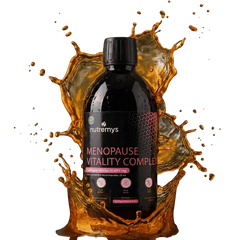
Start with a beautiful plate - and, as added support, our Menopause Vitality Complex combines collagen and targeted active ingredients to support your vitality after 50.
Discover Menopause Vitality ComplexFrequently asked questions
Can a vegetable really “clean” your arteries?
No, no single food can unclog arteries, and you should be wary of “detox” claims. However, a diet rich in vegetables, combined with a healthy lifestyle, contributes to cardiovascular health. If you have a heart problem, medical advice remains essential.
Raw or cooked: which is better?
It depends on the vegetable. Cruciferous vegetables and alliums retain more active compounds when lightly cooked or raw; tomatoes, on the other hand, release more lycopene when cooked with a little olive oil. Ideally, vary your cooking methods.
How many vegetables should you eat per day?
A simple guideline: fill half your plate with vegetables at every meal, choosing as many colors as possible and varying the vegetable families throughout the week.
Legumes make me feel bloated. What should I do?
Soak them for several hours, discard the water, then cook them in fresh water. This reduces certain antinutrients and makes them easier to digest. Increase the quantities gradually.
This article is for informational purposes only and does not replace medical advice.
Scientific sources
- EFSA — Authorized health claims (potassium and blood pressure; fiber and cholesterol).
- WHO — Recommendations on fruit and vegetable consumption and cardiovascular health.
- Studies on dietary nitrates, vascular function, and blood pressure.
- Reviews on lycopene, polyphenols, and oxidative stress.
- Research on fiber, the gut microbiota, and metabolism.



The information shared on this blog is for educational and informational purposes only. It does not replace medical consultation, diagnosis or treatment prescribed by a healthcare professional. If you have symptoms, are undergoing treatment or are pregnant, consult your doctor before modifying your diet or starting supplementation. Nutremys LAB food supplements should not replace a varied, balanced diet or a healthy lifestyle.
