

At a glance
- Helpful cortisol is not the same as chronically elevated cortisol.
- “Feeling better” and “lower cortisol” do not always go together.
- What really works: real nature and dinner at least 3 hours before bedtime.
- Meditation and exercise: helpful for your mental well-being - but not a direct solution for blood cortisol.
- Two little-known options: ashwagandha and a specific psychobiotic.
Cortisol, a thermostat
Imagine that your brain has a thermostat that continuously monitors cortisol in your blood. If it is too high, it stops production; if it is too low, it starts it again. But this thermostat responds to what is in your blood, not to what you feel. That is the trap: we assume that anything relaxing necessarily lowers cortisol. Yet feeling less stressed and having lower cortisol are two different things that do not always coincide.

The 4 common misconceptions
1. “Meditation fixes everything hormonally”
An 8-week online mindfulness program (121 students) significantly improved mindfulness and perceived stress, with the effect still present 6 months later. But there was no effect on cortisol measured in hair (which reflects the previous months). Meditation reduces what you feel; that does not mean it lowers blood cortisol.
2. “Training very hard without rest makes cortisol rise”
In athletes subjected to 12 days of intense training without recovery, cortisol (in blood and saliva) did not change significantly. What fell was testosterone and the activity of certain immune cells (−47%). The true signal of overtraining: more colds, and libido and energy declining week after week. The cortisol response depends on the type, intensity, and volume - not on a single difficult day.
3. “Listening to nature sounds = going out into nature”
A forest sound compared with a city sound (100 people) improved mood and the feeling of recovery… but had no effect on heart rate, blood pressure, or salivary cortisol. In contrast, actual forest sessions (versus walking in the city) lowered salivary cortisol, much more so in the forest group. Sound improves mood; real nature lowers cortisol.
4. “For fasting, only the total number of hours matters”
In overweight adults (aged 36-75), moving dinner 3 hours earlier (13-16 h fasting) lowered nighttime cortisol compared with the usual 11-13 h fast. It is not just the duration: it is the alignment with bedtime. Two people can fast for 14 h; only the one who eats dinner early benefits in terms of evening cortisol.

What really works
Two of these misconceptions actually conceal effective strategies. The protocol:
- If you fast, have your last meal at least 3 h before bedtime, rather than simply counting the hours. This is what lowers nighttime cortisol.
- Prioritize real nature (a park, a tree-lined trail), even for 20-30 min, rather than an audio or video.
- Continue meditating and exercising: beneficial for your mental and physical health - but as a complement, not as an excuse to skip the two points above.
Two little-known approaches
Finally, two tools that research has studied and that are rarely discussed:
- Ashwagandha: two independent studies observed a decrease in cortisol compared with a placebo. It is an adaptogenic plant - to be avoided in certain cases (pregnancy, thyroid disorders, medications): seek professional advice.
- The psychobiotic Bifidobacterium longum 1714: in a controlled trial, this specific strain reduced the cortisol spike and anxiety in response to acute stress, compared with placebo. Small study: look for the exact strain on the label, not just any probiotic.
Find greater calm every day
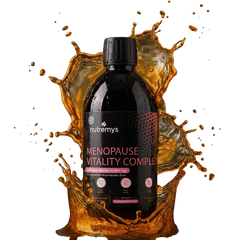
Start with the basics - and to support your vitality after 50, our Menopause Vitality Complex combines collagen with targeted active ingredients.
Discover Menopause Vitality ComplexEspecially during menopause
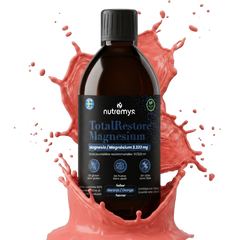
Hormonal changes and more fragmented sleep make stress management more sensitive after age 50. A few simple habits can help restore a sense of calm: eat dinner early, get daylight exposure, walk in real nature, and make sure you get enough magnesium, which contributes to normal psychological function and helps reduce fatigue.
Frequently asked questions
So meditation is useless?
Yes! It reduces perceived stress and supports mental well-being, sometimes over the long term. It simply does not necessarily lower blood cortisol. Keep it as a complement to the approaches that do affect the hormone.
How can I tell if my cortisol is high?
Symptoms (fatigue, disrupted sleep, abdominal weight gain…) are not enough: only a test (blood, saliva, or hair) can confirm it. Talk to your doctor.
Is ashwagandha suitable for everyone?
No. It is not recommended in several situations (pregnancy, breastfeeding, thyroid disorders, and certain treatments). Medical advice is essential before taking it.
Does magnesium lower cortisol?
This is not a miracle “anti-cortisol” remedy. It contributes to normal psychological function and helps reduce fatigue, making it easier to cope with periods of stress.
This article is for informational purposes only and does not replace medical advice. Consult a professional before taking any supplement.
Scientific sources
- Controlled trial - online mindfulness (8 weeks) and hair cortisol.
- Study on overtraining (12 days): cortisol, testosterone, and immunity.
- Studies comparing nature sounds with real forest bathing (salivary cortisol).
- Study on advanced time-restricted eating and nighttime cortisol.
- Ashwagandha and cortisol trials; trial on Bifidobacterium longum 1714 (psychobiotic).
- EFSA - Authorized claims (magnesium, normal psychological function and fatigue).



The information shared on this blog is for educational and informational purposes only. It does not replace medical consultation, diagnosis or treatment prescribed by a healthcare professional. If you have symptoms, are undergoing treatment or are pregnant, consult your doctor before modifying your diet or starting supplementation. Nutremys LAB food supplements should not replace a varied, balanced diet or a healthy lifestyle.

