


Science and Nutrition

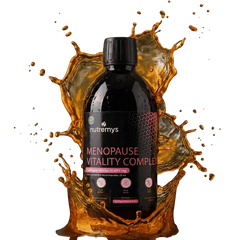
Best supplement for menopause: what it should contain (and why)
Marine collagen, vitamin D3, magnesium, omega-3, calcium, probiotics: discover the 6 ingredients that a good menopause supplement should contain according to science—with clinically validated dosages, key studies, and criteria to avoid making the wrong choice. No brands, just evidence.

Liquid menopause supplements: 2026 comparison
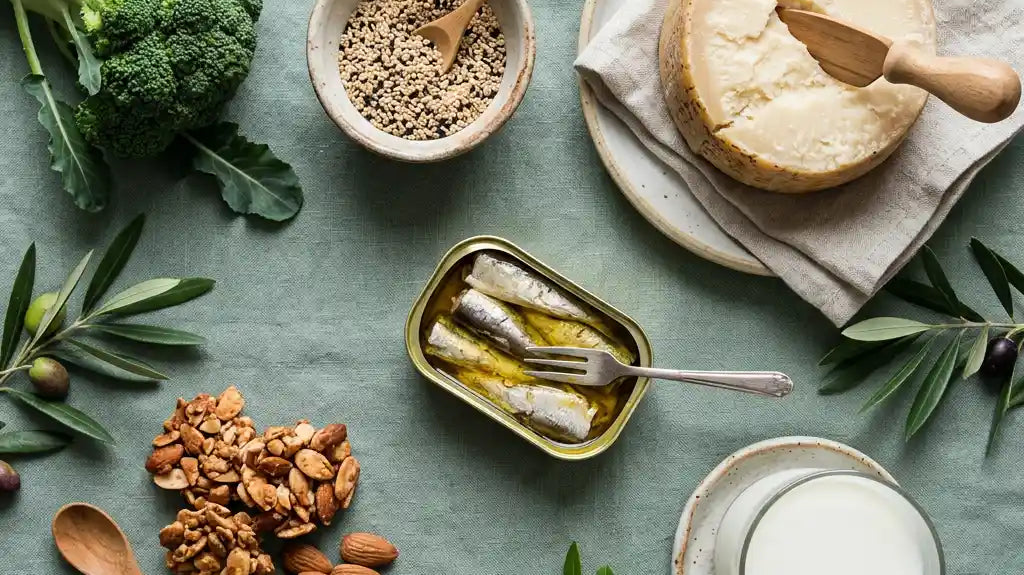
Calcium deficiency: symptoms, warning signs, and natural solutions
Calcium accounts for 99% of bone minerals—and its deficiency often goes unnoticed
Calcium is the most abundant mineral in the body. It gives structure to bones and teeth, but also plays a vital role in muscle contraction, nerve transmission, and blood clotting. When dietary intake is insufficient, the body draws on its bone reserves to maintain vital functions—a silent mechanism with potentially serious consequences.
In this article, we review the specific symptoms of calcium deficiency, the parts of the body most affected, and natural strategies for restoring a lasting calcium balance.
Vitamin D3: what is it used for, its benefits, and everything you need to know | Nutremys
80% of Europeans are deficient in vitamin D3—and most of them don’t know it
Vitamin D3 is one of the most deficient nutrients among the European population, particularly between October and April. Yet it plays a role in more than 200 biological processes: immune function, bone health, muscle health, mood regulation, and much more.
In this article, we explain why vitamin D3 is essential, how to identify a deficiency, and the best strategies for maintaining optimal levels throughout the year.

Tempeh: Everything You Need to Know About This Fermented Superfood (Properties, Benefits, Recipes
Complete plant-based protein, fiber, fermentation… Discover why tempeh is becoming a staple of a balanced plant-based diet, and how to cook it.

NMN & NAD+: The Anti-Aging Molecule Fascinating the Biology of Aging
Mechanisms, clinical studies, safety, and diet: the complete scientific guide to NMN and cellular repair by Nutremys.

Reading food labels: avoiding ultra-processed foods | Nutremys
A product may display “organic,” “natural,” “no added sugar,” or “high in protein” and, in reality, be an ultra-processed food that disrupts your hormonal balance, promotes inflammation, and sabotages your gut microbiome. These claims are not lies—they are legally permitted half-truths.
In this article, you will learn to read a label in under 60 seconds, identify the 12 hidden names for sugar, use the NOVA classification to distinguish real foods from industrial products—and understand why the “organic” label is not a blank check.

Probiotics: Everything You Need to Know About the Gut Microbiome
Complete guide to probiotics and prebiotics: constipation, immunity, intimate flora, and children. Clinical data and usage advice.

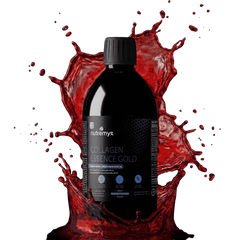
Marine Collagen & Menopause: Everything You Need to Know
Complete scientific guide to marine collagen: proven benefits, usage tips, optimal timing, and FAQ. Special focus on menopause.

Reishi: properties, benefits, and contraindications | Nutremys
The reishi — treasure of Eastern medicine now validated by modern science
Reishi, called Lingzhi in Chinese (“spiritual plant”), was once so rare that it was reserved for emperors and elites. Now cultivated on a large scale, it has become one of the most extensively studied medicinal mushrooms in the world, with more than 400 clinical and preclinical studies documented in the scientific literature.
In this article, we explore its unique composition, its adaptogenic, immunomodulatory, and antioxidant properties, its practical uses—and, above all, the precautions to know before incorporating it into your routine.
5 silent signs of a protein deficiency after age 45

Almonds: The Unsuspected Ally of People with Diabetes for Optimal Health
Are you diabetic and looking for natural solutions to better control your blood sugar? Almonds may well be the answer you’ve been waiting for. This small tree nut has remarkable properties: it can reduce your blood sugar level by up to 30%, protect your heart, and effectively curb cravings. Discover in this comprehensive guide why almonds are considered one of the best sources of healthy fats for people with diabetes and how to incorporate them wisely into your daily diet.
