

At a glance
- Ready in 30 min, serves 4, and budget-friendly.
- Kabocha squash (edible skin): beta-carotene, fiber, potassium.
- Red lentils: plant-based proteins, iron, magnesium - and quick cooking.
- Light but filling: ideal for weight management during menopause.
- Can be prepared in advance and frozen perfectly.
Why this soup after 50
During menopause, the digestive system sometimes becomes more sensitive, and the body stores fat more easily around the abdomen. A soup like this ticks many boxes: it is rich in fiber (kabocha squash, lentils, carrots), which prolongs satiety and nourishes the microbiota; it provides plant-based proteins that help preserve muscle mass; and it remains light, without unnecessary fat. A truly comforting dish, but a smart one.
Ingredients (serves 4)
- 1 small kabocha squash (~800 g), unpeeled (the skin is edible)
- 3 carrots
- 1 onion
- 1 clove of garlic
- 100 g of red lentils
- 1 tsp of curry (or turmeric + cumin)
- 1 tbsp of olive oil
- 1 L of vegetable stock
- A piece of fresh ginger (optional)
- Salt, pepper
- To serve: pumpkin seeds, a drizzle of coconut milk or cream, cilantro
Preparation
- Wash the kabocha squash, cut it in half, remove the seeds and cut it into cubes - keep the skin on, as it softens during cooking and provides fiber. Peel and chop the carrots, onion and garlic.
- In a large saucepan, sauté the onion and garlic in the olive oil for 3 to 4 minutes. Add the curry (and ginger) and toast for 30 seconds: this releases the aromas.
- Add the kabocha squash, carrots and rinsed red lentils. Cover with the broth and bring to a boil.
- Reduce the heat and simmer for 20 to 25 minutes, until the vegetables and lentils are very tender.
- Blend until smooth and velvety. Add a little water if needed, then season with salt and pepper.
- Serve piping hot, with a drizzle of coconut milk, a few toasted pumpkin seeds and a little cilantro.

Benefits, ingredient by ingredient
Kabocha squash
Its beautiful orange color reveals its richness in beta-carotene, an antioxidant that the body converts into vitamin A. It also provides fiber and potassium (which helps maintain normal blood pressure). Bonus: its skin is edible - so we keep as much fiber as possible.
Red lentils
They are what make this soup a complete meal: plant-based protein, iron, magnesium and fiber. They cook in 15-20 minutes without soaking and are easy to digest.
Curry and ginger
Curry contains turmeric, whose curcumin supports antioxidant defenses. Ginger adds a kick and aids digestion.
Onion and garlic
Rich in prebiotics (fructo-oligosaccharides), they nourish beneficial gut bacteria - helping support digestive comfort.
Variations & tips
- Even more protein: add a handful of chickpeas, some blended silken tofu, or hemp seeds when serving.
- Creamier: replace the cream with coconut milk, which pairs perfectly with curry.
- Spice it up: cumin, smoked paprika, or a touch of chili pepper warm up the recipe.
- For crunch: roasted pumpkin seeds, chopped hazelnuts, or whole-wheat croutons.
- Express version: a pressure cooker reduces the cooking time to around ten minutes.

Storage & batch cooking
This soup keeps for 3 to 4 days in the refrigerator in an airtight container, and it freezes very well in individual portions. It is the ideal candidate for Sunday batch cooking: double the quantities, freeze them, and you will have a healthy dinner ready in 3 minutes on busy evenings.
Eat well and feel supported
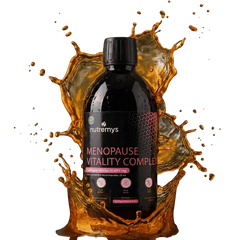
A beautiful plate first - and, as added support, our Menopause Vitality Complex combines collagen and targeted active ingredients to support your vitality after 50.
Discover Menopause Vitality ComplexFrequently asked questions
Does the kabocha squash need to be peeled?
No! Unlike pumpkin, the skin of the kabocha squash can be eaten once cooked. Wash it well: this way, you retain as much fiber as possible and save time.
Can it be prepared in advance?
Absolutely. It keeps for 3 to 4 days in the refrigerator and can be frozen in portions. Ideal for planning meals for the week ahead.
How can you make it higher in protein?
Add chickpeas, blended silken tofu, or seeds (pumpkin, hemp, sunflower). Red lentils already provide a good protein base.
Is it really suitable for menopause?
It is light, rich in fiber and plant-based protein, and filling: all valuable benefits after 50. Include it as part of a varied diet.
This article is for informational purposes only and does not replace personalized medical or dietary advice.

The information shared on this blog is for educational and informational purposes only. It does not replace medical consultation, diagnosis or treatment prescribed by a healthcare professional. If you have symptoms, are undergoing treatment or are pregnant, consult your doctor before modifying your diet or starting supplementation. Nutremys LAB food supplements should not replace a varied, balanced diet or a healthy lifestyle.
