
Well-being and Routine

Insomnia and menopause: causes and natural treatments

Magnesium deficiency and menopause: symptoms and solutions
Unexplained fatigue, nighttime cramps, anxiety, intensified hot flashes… These symptoms often share an underestimated root cause: magnesium deficiency. During menopause, the drop in estrogen reduces the absorption of this essential mineral—involved in more than 300 enzymatic reactions. Discover why your body needs more of it during this stage, and how to address it with the right form of magnesium.

Natural menopause treatment: comparison of HRT, herbs, and supplements

Hot flashes: causes, duration, and natural remedies
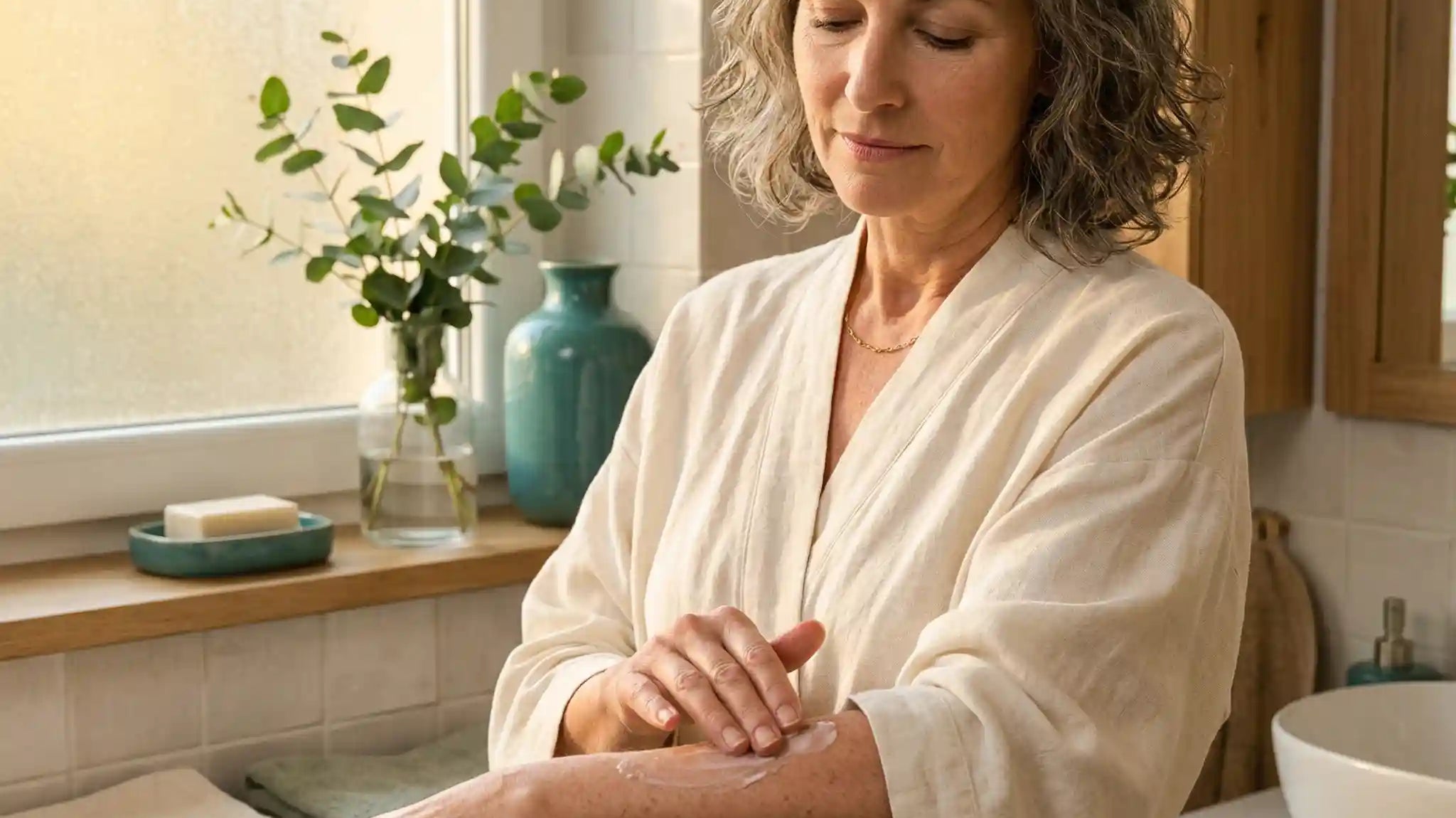
Vaginal dryness during menopause: natural remedies and lasting solutions
The drop in estrogen thins the mucous membranes, reduces natural lubrication, and alters intimate pH. This guide details the causes of vulvar dryness during menopause, validated natural remedies, essential daily care, and the role of phytoestrogens and collagen in restoring intimate comfort and confidence.

Vaginal bleeding after menopause: what your body is really telling you
Vaginal bleeding after menopause is never a harmless hormonal remnant. Dr. Mariam E.K., a gynecologist, explains all the possible causes—from benign atrophy to endometrial cancer—and the essential tests to request without delay.
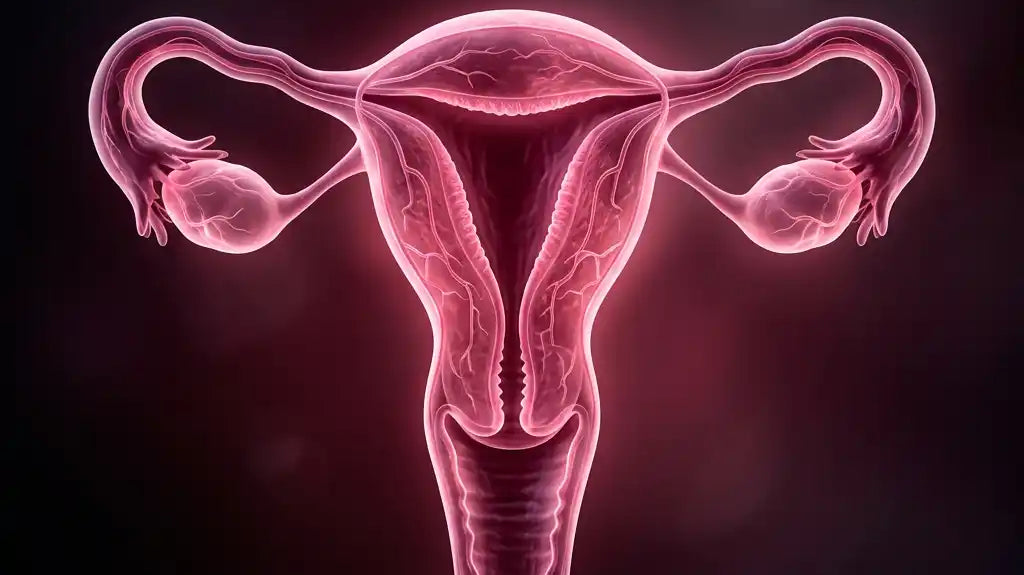
Thickened endometrium during menopause: causes, symptoms, and treatments
A thickened endometrium during menopause may indicate a hormonal imbalance. Discover the common causes, warning symptoms, treatments, and how to support your well-being naturally.
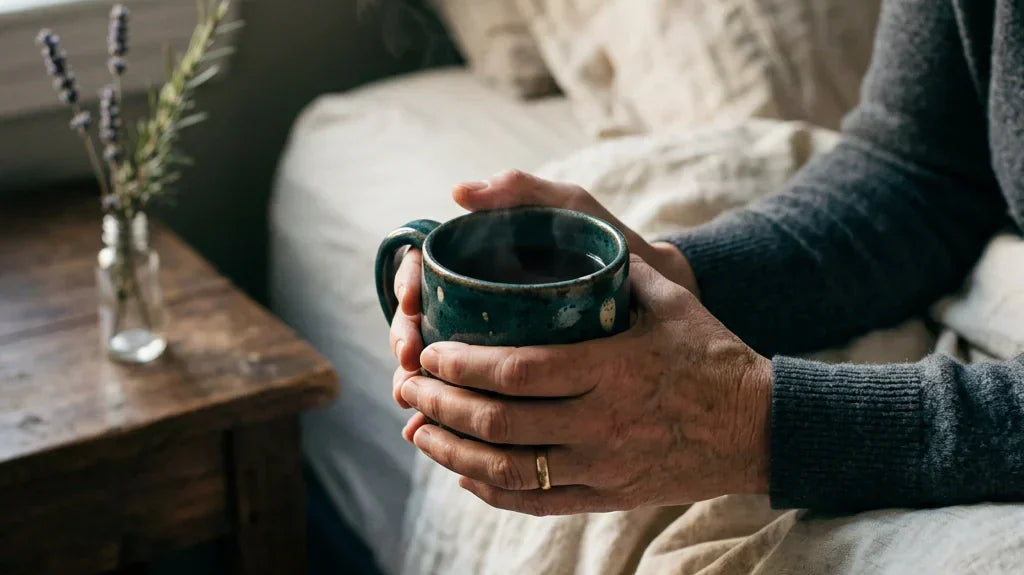
Night hot flashes: what happens in your body and how to respond to them
Nighttime hot flashes are not a mystery. They result from a precise physiological mechanism: the drop in estrogen narrows the hypothalamus’s thermoneutral zone. Understanding this mechanism is already a step toward taking back control.
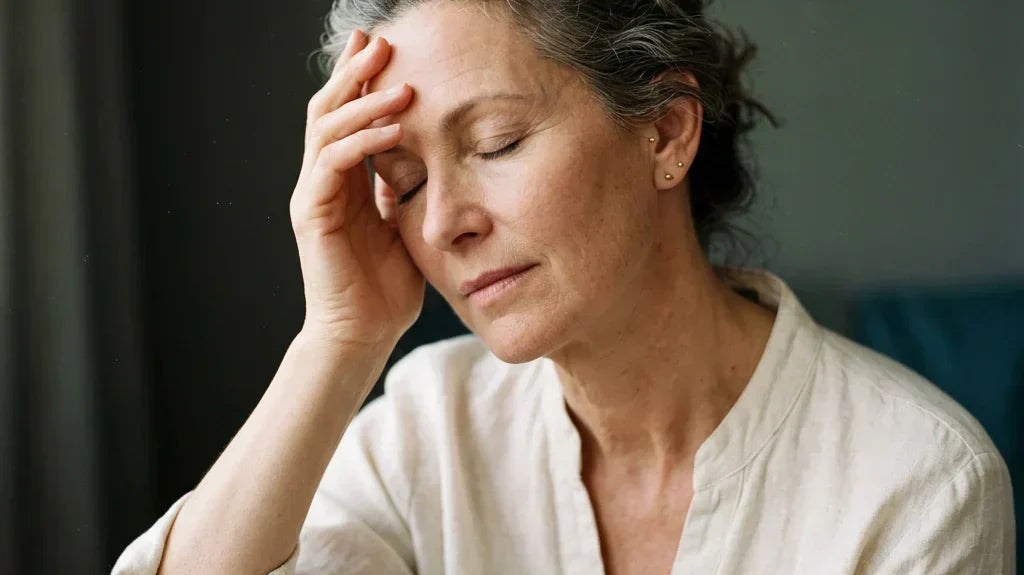
Dizziness and menopause: hormonal causes and solutions
Your perimenopausal dizziness is almost never “nothing.” The drop in estrogen directly disrupts the inner ear and blood pressure regulation. Before attributing it to stress, here’s what few doctors explain to you—and how to ease episodes in your daily life.
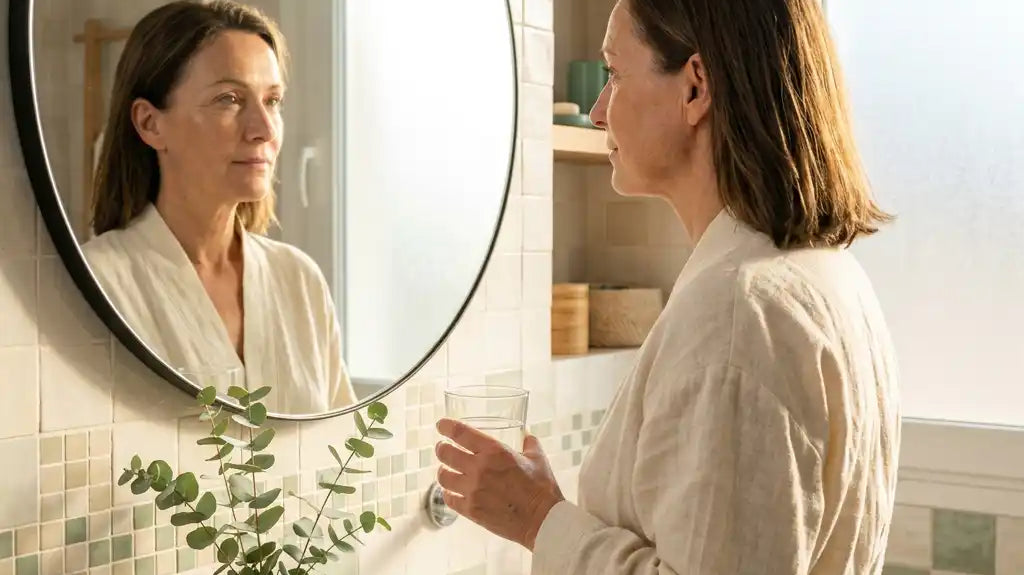
Strong-smelling urine in women: menopause, causes, and solutions
The drop in estrogen alters the bladder lining, intimate pH, and urinary microbiome—which explains why urine changes odor during menopause. Discover the causes, types of odors, warning signs, and natural solutions to protect your urinary health.
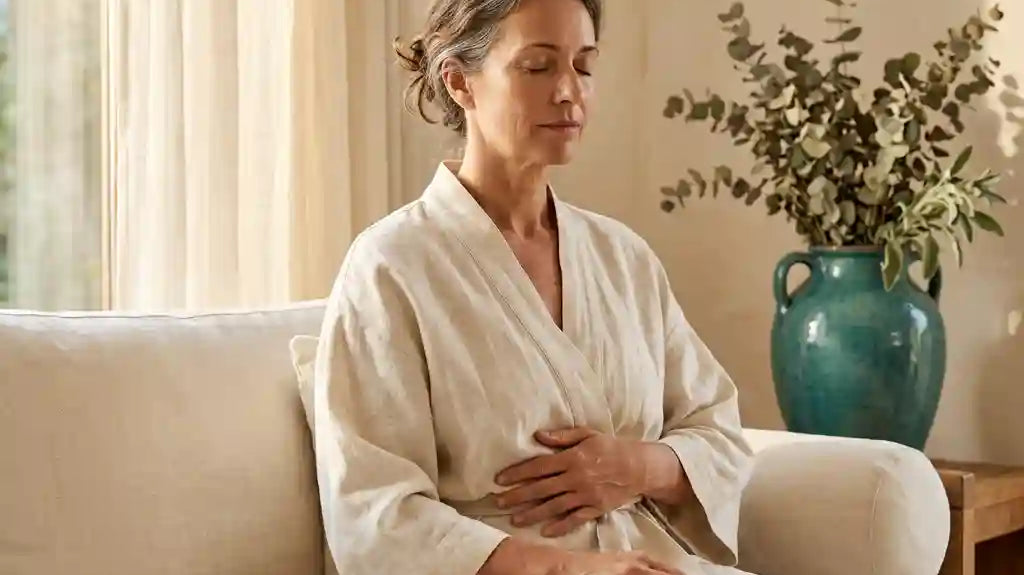
Pelvic pain without a period: why does it persist during menopause?
Cramps, tugging sensations, and ovarian pain without menstruation… Why do these pains persist after menopause? Hormonal causes, warning signs, and natural solutions.