



At a glance
- Lower estrogen levels slow intestinal transit and increase the feeling of a bloated belly.
- Bloating, water retention, and weight gain are three different phenomena that should not be confused.
- The gut microbiome changes during menopause: this is the “estrogen–gut” axis.
- Six simple strategies — including fiber and probiotics — can help you feel less bloated.
Why does the belly become bloated during menopause?
You eat as before, you haven't changed your habits, and yet by the end of the day, your abdomen feels tight and uncomfortable. This menopause belly bloating puzzles many women, often because it appears without any obvious explanation. The answer comes down to one word: hormones.
During menopause, estrogen and progesterone production declines. These hormones do more than regulate the menstrual cycle: they also influence how your digestive system works. Lower estrogen levels slow intestinal transit, which promotes food fermentation and gas production. Progesterone, meanwhile, played a role in water retention; its decline disrupts fluid regulation, and the body may retain more water around the abdomen.
Result: what is sometimes called the “hormonal belly” — a feeling of bloating, tightness, and sometimes heaviness that varies throughout the day. The good news: in the vast majority of cases, this is temporary bloating related to digestion, not established fat gain.

What the science says. Estrogen acts directly on digestive motility and fluid balance. Its decline explains why digestive issues—bloating, irregular bowel movements—become more common during perimenopause and menopause, as highlighted by research on the estrogen–gut axis published in the journal Maturitas.
Bloating, water retention, or weight gain: how to tell them apart
Before trying to “do something,” you need to understand what is really happening. Three phenomena are often behind a stomach that appears rounder, and they are not treated in the same way.
Making this distinction changes everything. Bloating goes down; water retention can be regulated; abdominal weight gain, on the other hand, requires a more comprehensive approach, which we explore in our guide on weight gain during menopause. If your discomfort is mainly digestive and fluctuates throughout the day, the strategies in this article are relevant to you.
of fiber per day recommended, compared with ~20 g actually consumed on average
of water per day to support bowel movements and limit water retention
microorganisms live in your gut and change along with your hormones
The key role of the gut microbiome
Here is the piece of the puzzle that is often overlooked. Your gut is home to billions of bacteria—the microbiome—that contribute to digestion, immunity… and estrogen metabolism. This connection has a name: the estrobolome, the collection of bacteria capable of influencing the circulation of estrogen in the body.
When estrogen levels drop during menopause, the composition of the microbiome changes. Its diversity tends to decrease, which can weaken digestive balance and worsen bloating. It can become a vicious cycle: less estrogen, a less diverse microbiome, slower digestion, and a more frequently bloated stomach.

Supporting your microbiome isn't a fad: it's biochemistry applied to your digestive comfort. A diverse gut flora is better equipped to digest food, regulate bowel movements, and limit the fermentation that causes gas. To learn more, discover our complete guide to probiotics and gut flora.
6 natural ways to feel lighter
You don't need to revolutionize everything. Practiced consistently, these habits help reduce the discomfort of bloating and restore a feeling of lightness every day.
1. Increase fiber gently
Vegetables, legumes, fruit, whole grains. Gradually aim for the recommended 30 g per day to nourish your microbiome and regulate your bowel movements.
2. Really hydrate
Drinking enough water paradoxically helps limit water retention and supports bowel regularity. At the same time, reduce the hidden salt in processed foods.
3. Move after meals
Ten minutes of walking after lunch or dinner gets digestion moving again and reduces the feeling of a tight stomach.
4. Support your gut flora
Fermented foods (yogurt, kefir, fermented vegetables) and, if needed, targeted probiotic supplementation to support your microbiome.
5. Eat mindfully
Eating slowly, chewing well, and avoiding talking with your mouth full means less swallowed air and less bloating. Simple but effective.
6. Identify your trigger foods
Certain foods (cruciferous vegetables, sweeteners, too much starch in the evening) ferment more readily. A small journal can help you identify yours.

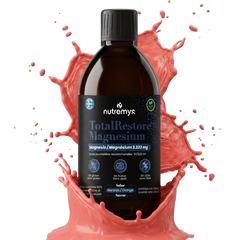
Magnesium also deserves a mention: involved in muscle relaxation, including that of the intestinal wall, it contributes to digestive comfort. We discuss it in our article on magnesium deficiency during menopause, and more broadly in our guide to essential supplements after age 50.
An ally for your digestive comfort
Our Premium Encapsulated Probiotics are designed to support a diverse gut flora, the microbiome that changes with your hormones. A simple daily step to support your digestion.
Discover Premium ProbioticsWhen should you consult a doctor?
Occasional, fluctuating bloating is part of everyday life for many women during menopause. But certain signs warrant the advice of a healthcare professional to rule out another cause.
Talk to your doctor if:
- the bloating is persistent, painful, or clearly getting worse;
- it is accompanied by unusual changes in bowel habits, blood, or unexplained weight loss;
- you experience discomfort that affects your quality of life despite making adjustments.
This article is for informational purposes only and does not replace personalized medical advice.
Frequently asked questions
Why does the belly become bloated during menopause?
Because the drop in estrogen slows digestion and promotes intestinal fermentation, while the decrease in progesterone disrupts water regulation. This is compounded by changes in the gut microbiota. The result is a “hormonal belly” that feels tight, especially at the end of the day.
Does menopause really cause belly bloating?
Yes, this is a very common source of discomfort. But it is most often digestive bloating or temporary water retention, not necessarily fat gain. Distinguishing between the two makes it possible to take the right steps instead of feeling guilty.
How can you avoid a bloated stomach during menopause?
Gradually increase your fiber intake, drink enough, walk after meals, support your gut microbiota with fermented foods or probiotics, and eat slowly. Identifying your trigger foods can further improve the results.
Do probiotics help with bloating?
A balanced gut microbiota digests food better and ferments less, which can reduce discomfort. Probiotics aim to support this microbial diversity, which is particularly challenged when hormones change. They are part of a holistic approach, alongside diet and movement.
Scientific sources
- Baker JM, Al-Nakkash L, Herbst-Kralovetz MM. “Estrogen–gut microbiome axis: Physiological and clinical implications”, Maturitas, 2017.
- ANSES — Dietary guidelines and fiber intake, anses.fr.
- EFSA — Scientific opinions on water and digestive functions, efsa.europa.eu.
- Peters BA et al. “Menopause is associated with an altered gut microbiome”, Menopause, 2022.
The information shared on this blog is for educational and informational purposes only. It does not replace medical consultation, diagnosis or treatment prescribed by a healthcare professional. If you have symptoms, are undergoing treatment or are pregnant, consult your doctor before modifying your diet or starting supplementation. Nutremys LAB food supplements should not replace a varied, balanced diet or a healthy lifestyle.
