
Well-being and Routine

Muscle loss during menopause: why it happens and how to respond intelligently
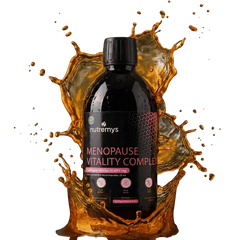
During menopause, the drop in estrogen leads to progressive muscle loss—often invisible on the scale but very real in terms of tone, energy, and metabolism. The article explains why cardio alone is no longer enough and why strength training becomes the top priority. It then details the three pillars that support muscle beyond exercise (protein, sleep, and stress management), the signs that indicate supplementation may help, and concludes with Menopause Vitality Complex as targeted foundational support.

Brain Fog & Perimenopause: Causes, Symptoms & Solutions
“Why did I walk into this room?” Brain fog is one of the most common symptoms of perimenopause. Find out why it occurs and discover 6 strategies to regain clarity and focus

Skin care during menopause: complete guide and tailored routine

Sexuality & Menopause: Your Intimate Life Doesn’t Stop
Understanding the intimate changes associated with menopause and finding natural solutions to maintain a fulfilling sex life. Complete Nutremys guide

Menopause: Symptoms, Hormones, Treatments & Gynecologist’s Advice (Complete Guide for Ages 45+)
Menopause is a natural stage of a woman’s life, but its symptoms—hot flashes, sleep disturbances, vaginal dryness, weight gain, or osteoporosis—can profoundly affect quality of life.
In this comprehensive guide, an expert gynecologist explains what really happens at the hormonal level, when to seek medical advice, which hormone replacement therapy (HRT) or natural treatments to consider, and how to protect your long-term health.

Perimenopause vs. Menopause: How to Identify Your Stage (and Take Action Accordingly)
Perimenopause begins between ages 40 and 45 with irregular cycles and mild symptoms, while menopause is confirmed after 12 months without menstruation (average age: 51). Key differences: perimenopause lasts 4–8 years with fluctuating hormone levels; menopause marks the permanent end of ovarian function. Both stages share symptoms such as hot flashes, but they differ in intensity and duration. Identifying your stage helps you apply specific well-being strategies.
