

Contents
At a glance
- Desire depends on hormones, but also on sleep, stress, self-image, and the relationship.
- About one in two women experience genitourinary symptoms of menopause, including intimate dryness, which can affect desire.
- Intimate comfort, exercise, sleep, and communication are the first steps.
- Medical advice can help if your loss of desire is bothering you or if sex is painful.
Low libido during menopause: Is it normal?
Yes, it's very common, and it's neither a flaw nor a personal failure. Libido isn't a simple hormonal switch: it develops at the intersection of the body, mind, and relationship. When one of these three pillars falters, desire is affected.
The menopausal transition, which often begins during perimenopause, disrupts all three at once. The good news: desire can change form without disappearing. Many women describe desire that is less spontaneous and more “responsive,” awakened by tenderness and the right context.

Causes of low libido during menopause
Several factors add up, which explains why every woman experiences this differently.
Declining hormones
Estrogens maintain lubrication and sensitivity in intimate tissues. Androgens, including testosterone, also gradually decline with age and contribute to desire.
Intimate discomfort
Dryness, irritation, pain during sex: the body anticipates discomfort and desire fades. Our guide to vulvar dryness details the solutions.
Sleep and fatigue
Night sweats and waking during the night are exhausting. It’s hard to feel desire when you’re low on energy: learn about insomnia during menopause and persistent fatigue.
Stress, mood, and self-image
Mental load, changes in your body, fluctuating moods: all of these affect self-esteem. Also read about the mental load of menopause.
Sometimes, certain medications (such as antidepressants), relationship tensions, or changes in a partner’s health may also play a role. Talk to your doctor before making any changes to your treatment.
What the studies say
The Menopause Society (formerly NAMS) notes in its 2020 position statement that genitourinary symptoms of menopause affect a large proportion of women and do not improve spontaneously over time: they warrant treatment. In addition, the international consensus published in 2019 (Davis et al., J Clin Endocrinol Metab) recommends testosterone only for postmenopausal women with hypoactive sexual desire disorder, following medical evaluation, and does not support unvalidated products.
Key takeaway. No herb or supplement can “reignite” desire on its own. The most effective approach is to address comfort, energy, and the relationship, with medical support if needed.
Eight ways to rekindle desire
You can’t control your hormones, but you can create the conditions in which desire can return.
Take care of intimate comfort
Water- or silicone-based lubricants during sex and regular vaginal moisturizers: they reduce discomfort that dampens desire. A doctor may also recommend local estrogen, which is absorbed very little.
Stay active regularly
Walking, swimming, strength training: physical activity boosts energy and mood, and improves how you feel about your body.

Protect your sleep
Keep the bedroom cool, stick to regular hours, and turn off screens in the evening. A well-rested woman is more open to pleasure.
Tip. Don't try to “feel desire”: make time for tender moments without pressure. Responsive desire often arises after intimacy begins, not before.
Support your hormonal balance every day
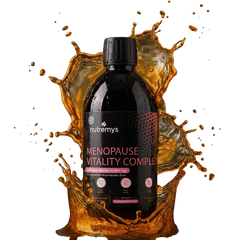
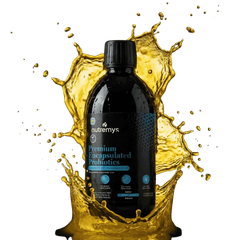
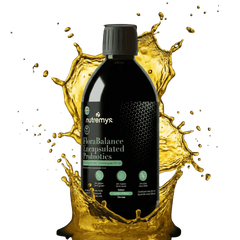
Menopause Vitality Complex: a liquid formula designed to support you through the transition, alongside a balanced lifestyle.
Discover Menopause Vitality ComplexStrengthen your pelvic floor
Pelvic floor rehabilitation with a midwife or physical therapist can improve comfort and sensitivity. In many cases, it's covered by insurance when prescribed.
Manage stress
Coherent breathing, slow breaths, time for yourself: a less overwhelmed mind makes more room for intimacy.
Talk to your partner
Talking about what's changing without blame helps clear up misunderstandings. L'intimacy isn't just about penetration: caresses, massages, and feeling close all matter. Find our advice in Sexuality and menopause.
Eat well
Protein at every meal, omega-3s, colorful vegetables, magnesium: a solid foundation for energy and mood.
Consult without taboos
A gynecologist, general practitioner, or sexologist can explore the causes and suggest menopause hormone therapy or other options suited to you.
Signs you may benefit from supplements
Supplements are no substitute for conversation or medical care, but they can complement your routine when certain signs appear:
- persistent fatigue despite getting enough sleep;
- hot flashes and night sweats that disrupt sleep;
- drier skin and tissues, with less everyday comfort;
- nervous tension or fluctuating moods.
Our Menopause Vitality Complex combines targeted active ingredients to support you through this transition. Also see the complete list of menopause symptoms.
When to seek advice?
Consult a healthcare professional if your reduced desire is upsetting you or affecting your relationship, if sex is painful, if you experience bleeding after sex or after menopause, or if you suspect a medication side effect. Don't face this alone: it is part of your health.
Frequently asked questions
Why don't I feel like having sex during menopause?
Because several factors combine: lower estrogen and testosterone levels, intimate dryness, fatigue, stress, and changes in self-image. Each can be addressed.
Does libido return after menopause?
Often, yes, especially when sleep improves, intimate discomfort is addressed, and the relationship remains supportive. Desire can also take another, more gradual form.
What is the treatment for low libido during menopause?
There is no one-size-fits-all solution. Depending on your situation, your doctor may recommend moisturizers or local estrogen, menopausal hormone therapy, psychological or sex therapy, and lifestyle changes.
Do herbs or supplements boost libido?
Evidence remains limited for most of them. A supplement may support energy and overall balance, but it does not replace appropriate care.
Scientific sources
- Davis SR et al. “Global Consensus Position Statement on the Use of Testosterone Therapy for Women.” J Clin Endocrinol Metab, 2019 (PubMed).
- The 2020 Genitourinary Syndrome of Menopause Position Statement of The North American Menopause Society. Menopause, 2020 (PubMed).
- Dennerstein L et al. “Hormones, mood, sexuality, and the menopausal transition.” Fertil Steril, 2002 (PubMed).
This article is for informational purposes and does not replace medical advice.
Support your transition, every day
Discover our liquid formula designed for women aged 42 and over, developed with scientific rigor.
Discover Menopause Vitality Complex
Gynecologist in Paris for 18 years, specialized in women's hormonal health, perimenopause and menopause. At Nutremys LAB, she brings a physician's perspective to every product we offer.
Learn more about Dr. Mariam E.K. →The information shared on this blog is for educational and informational purposes only. It does not replace a medical consultation, a diagnosis or a treatment prescribed by a healthcare professional. If you have symptoms, are on treatment or are pregnant, consult your doctor before changing your diet or starting any supplementation. Nutremys LAB food supplements are not a substitute for a varied and balanced diet or a healthy lifestyle.

