





At a glance
- Fatigue is one of the most common symptoms of the menopausal transition — about 8 in 10 women experience symptoms, and exhaustion ranks first alongside hot flashes.
- Three main mechanisms: hormonal decline, fragmented sleep (38 to 46% of women depending on the stage, according to the SWAN cohort), and nutritional deficiencies.
- Sleep, muscle, and diet are your three most powerful levers — before any supplement.
- Overwhelming fatigue that persists warrants an evaluation: thyroid function, iron levels, and sleep should be checked.
Why does menopause cause so much fatigue?
Menopause fatigue is not “all in your head.” It has specific physiological causes, and the primary one is hormonal. Estrogen helps regulate serotonin, body temperature, and energy metabolism; progesterone has a calming effect that promotes falling asleep. When these two hormones decline — irregularly during perimenopause, then persistently — the body has to function with a new thermostat, often at the cost of energy that fluctuates wildly.

The second mechanism is sleep. According to data from the American SWAN cohort (Study of Women's Health Across the Nation), which has followed more than 3,000 women since the 1990s, 38 to 46% of women report sleep difficulties during the menopausal transition, depending on the stage. Hot flashes and night sweats fragment sleep: even eight hours in bed are no longer enough if deep sleep is interrupted.
Finally, the fifties are a time when other causes of fatigue often overlap: a slowing thyroid (subclinical hypothyroidism affects about one woman in ten over 50), iron stores depleted by heavy periods toward the end of perimenopause, and a mental load that is rarely eased.
of women experience symptoms during the menopausal transition (Inserm)
report sleep problems depending on the stage of the transition (SWAN cohort)
woman over 50 has subclinical hypothyroidism, often without symptoms
The three faces of fatigue during menopause
Identifying your fatigue helps you choose the right approach. In consultations, we almost always find one of these three forms — or a combination of all three.
Physical fatigue: heavy legs from the morning onward, and stairs that seem steeper than before. It is often linked to fragmented sleep and progressive muscle loss that accelerates during this period — a phenomenon we explore in detail in our article on muscle loss during menopause.
Mental fatigue: difficulty concentrating, words slipping away, and a feeling of having a “cotton-wool head.” This is the famous brain fog, common enough that we have devoted a complete guide to brain fog to it.
Emotional fatigue: everything takes effort, enthusiasm fades, and irritability surfaces. Fluctuations in estrogen directly influence serotonin and dopamine — this is not a lack of willpower; it is neurochemistry.
Key takeaway: fatigue that improves after a good night's sleep or a restful weekend is generally functional. Fatigue that never goes away, even after resting, should be medically evaluated.
Six natural strategies to restore your energy
Good news: menopausal fatigue responds well to lifestyle changes. There’s no need to revolutionize everything—start with one or two strategies, then add the others once they’re established.

1 · Protect your deep sleep
Regular bedtimes, a cool bedroom (18 °C), and no screens for an hour beforehand. If your nights remain fragmented, our guide to insomnia during menopause details proven solutions.
2 · Move to recharge, not to exhaust yourself
Paradoxical but proven: regular physical activity reduces fatigue. Aim for 30 minutes of brisk walking per day and two strength-training sessions per week.
3 · Include protein at every meal
Around 1 to 1.2 g of protein per kilogram of body weight per day helps preserve muscle—your main energy reservoir. Eggs, fish, legumes, dairy products: spread them throughout the day.
4 · Monitor your magnesium
Stress and disrupted sleep increase your needs. A magnesium deficiency can manifest as fatigue, cramps, and irritability.
5 · Get morning light
Fifteen to 20 minutes of natural light before noon reset your internal clock, improve mood and alertness—and prepare your body to produce melatonin in the evening.
6 · Schedule real breaks
Hormonal fatigue adds to mental load. Block out periods without interruptions in your schedule, like non-negotiable appointments.
Tip: Keep a mini energy journal for two weeks (rate your energy from 1 to 10, morning and evening). You’ll quickly identify what recharges you and what drains you—and you’ll see your progress in black and white.
Signs that you might benefit from supplementation
Lifestyle first, always. But when dietary intake no longer meets your needs—which genuinely change during this period—targeted supplementation can make a difference. Here are the signs that should prompt you to consider it:
- Fatigue that persists despite adequate sleep and regular physical activity;
- Periods that are still occurring and heavy (possible iron loss);
- A diet low in fish, legumes, or whole grains;
- Cramps, twitching eyelids, irritability (signs suggestive of magnesium deficiency);
- A drop in energy accompanied by stiff joints or more fragile skin.

What the science says: the European Food Safety Authority (EFSA) officially recognizes that vitamin C, vitamins B6 and B12, and magnesium “contribute to the reduction of tiredness and fatigue.” These validated claims — not promises — guide Nutremys formulations.
To find out which nutrients to prioritize at this stage of life, our essential vitamins during menopause guide reviews actual needs, dosages, and food sources.
When should you consult a doctor?
Not all fatigue is the same. This table helps you assess yours — and know when medical advice is needed.
| Severity | What you are experiencing | What to do |
|---|---|---|
| Temporary | Occasional energy slumps, recovery after rest | Lifestyle: sleep, movement, diet |
| Persistent | Daily exhaustion for more than a month, despite rest | Consultation: thyroid panel (TSH), ferritin, vitamin D |
| Concerning | Overwhelming fatigue + unexplained weight loss, shortness of breath, persistent sadness, or snoring with pauses in breathing | Prompt consultation: anemia, sleep apnea, and depression should be ruled out |
This article is for informational purposes only and does not replace medical advice. If you experience persistent fatigue, talk to your doctor or gynecologist.
FAQ — Fatigue and menopause
Why does menopause make you so tired?
Because three mechanisms combine: the drop in estrogen and progesterone disrupts energy and mood regulation; night sweats fragment deep sleep; and the need for certain nutrients (magnesium, B vitamins, protein) increases while intake remains unchanged. The result: a very real energy deficit, even after “full” nights of sleep.
How long does menopause fatigue last?
It is generally more pronounced during perimenopause and in the first two years after the last menstrual period, when hormonal fluctuations are strongest. For most women, it gradually eases afterward, especially if sleep, physical activity, and diet have been adjusted. Fatigue that worsens over the months is not typical of menopause and should be investigated.
Which vitamins should you take for fatigue during menopause?
The nutrients whose contribution to reducing fatigue is validated by EFSA are vitamin C, vitamins B6 and B12, iron, and magnesium. Vitamin D should also be checked, as deficiency is common after age 50. Ideally, have a blood test before supplementing blindly, then choose a formula suited to the needs of this stage of life.
Is menopause fatigue inevitable?
No. It is a common symptom, but it responds very well to lifestyle measures: protected sleep, regular physical activity, sufficient protein and micronutrient intake. Most women regain a satisfactory energy level within a few weeks to a few months once these measures are implemented — and medical support is available for more difficult situations.
What if your energy deserved a formula designed for this stage?
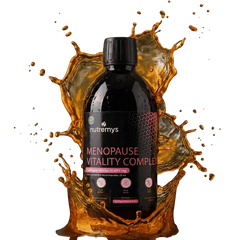
Menopause Vitality Complex combines marine collagen with targeted active ingredients in a highly absorbable liquid format to support your vitality during the hormonal transition — without hormones.
Discover Menopause Vitality ComplexScientific sources
- Inserm — “Menopause” report: physiology of the transition and symptom frequency. inserm.fr
- SWAN — Study of Women's Health Across the Nation: longitudinal data on sleep and symptoms of the menopausal transition. swanstudy.org
- EFSA — Register of authorized health claims (vitamin C, B6, B12, magnesium, and reduction of fatigue). efsa.europa.eu
- The Menopause Society — Clinical resources on menopause symptoms and their management. menopause.org
- Institut National du Sommeil et de la Vigilance — Sleep and menopause. institut-sommeil-vigilance.org



The information shared on this blog is for educational and informational purposes only. It does not replace medical consultation, diagnosis or treatment prescribed by a healthcare professional. If you have symptoms, are undergoing treatment or are pregnant, consult your doctor before modifying your diet or starting supplementation. Nutremys LAB food supplements should not replace a varied, balanced diet or a healthy lifestyle.
