

At a glance
- Vitamin C (ascorbic acid) is an essential water-soluble vitamin that your body cannot synthesize—it must come exclusively from food or appropriate supplementation.
- It plays a role in immunity, collagen synthesis, antioxidant protection, and iron absorption—functions that are even more critical during perimenopause and menopause.
- The best dietary sources are acerola, red bell peppers, and guava—far ahead of oranges, which are often mistakenly cited as the top source.
What is vitamin C (ascorbic acid)?
Vitamin C—scientifically called ascorbic acid—is an essential water-soluble vitamin. Unlike most mammals, humans lost the ability to synthesize it over the course of evolution. Its name, “ascorbic,” directly refers to scurvy: the severe deficiency disease that decimated sailors before its cause was understood.
Water-soluble means that it is not stored in fat—your body eliminates excess daily through urine. This has two important practical consequences: you need to consume it every day, and the risk of toxicity from diet alone is virtually zero.
EFSA adequate intake for adult women
Recommended optimal dose in cases of stress, menopause, or smoking
Tolerable upper intake level (UL) — EFSA 2013
In 2013, EFSA established the reference intakes for vitamin C, setting the adequate intake for healthy adult women at 95 mg/day, with a tolerable upper intake level of 2,000 mg/day. EFSA Panel on Dietetic Products, Nutrition and Allergies (NDA), EFSA Journal 2013;11(11):3418.
The science-backed benefits of vitamin C
The properties of vitamin C are not a matter of opinion. EFSA has validated several health claims based on robust clinical studies. Here are the main ones, directly relevant to women aged 40 to 60.
Immune system
Vitamin C supports the normal functioning of the immune system. It promotes the production and mobility of leukocytes (white blood cells), strengthens epithelial barriers against pathogens, and accelerates the resolution of inflammation. This is precisely why needs increase during periods of chronic stress or infection.
Endogenous collagen synthesis
Without vitamin C, collagen synthesis is impossible. Ascorbic acid is an essential enzymatic cofactor for prolyl hydroxylase and lysyl hydroxylase — two enzymes that stabilize the collagen triple helix. The practical result: firmer skin, more resilient tendons, and healthier gums. To explore this mechanism in greater depth, our complete guide to marine collagen during menopause will give you all the key information.
Antioxidant protection
Vitamin C is one of the body's most powerful water-soluble antioxidants. It neutralizes free radicals in plasma and cellular fluids and regenerates oxidized vitamin E — thereby creating a synergistic and economical antioxidant defense system.
Non-heme iron absorption
Consuming vitamin C at the same time as sources of plant-based iron (legumes, spinach, lentils) increases iron absorption by a factor of 2 to 4. A crucial detail for perimenopausal women who sometimes have insufficient iron stores. Gut flora health also plays a major role in this absorption — our article on probiotics and micronutrient absorption explores this point in detail.

Vitamin C does not “prevent” colds, but it reduces their duration and severity by about 8% in adults. This is the conclusion of a Cochrane meta-analysis involving more than 11,000 participants — one of the most rigorous reviews in clinical nutrition. (Hemilä & Chalker, Cochrane Database of Systematic Reviews, 2013)
Vitamin C and menopause: why your needs change
The menopausal transition is not simply a matter of hormones. It is accompanied by an increase in oxidative stress — an imbalance between the production of free radicals and the body's antioxidant defenses. Vitamin C is at the forefront of these defenses.
Oxidative stress and declining estrogen levels
Estrogens have an inherent antioxidant effect on cell membranes. Their gradual decline during perimenopause exposes cells to increased oxidation. A study published in the Menopause Journal (2019) showed that markers of systemic oxidative stress are significantly higher in postmenopausal women than in premenopausal women of the same age, highlighting the importance of increasing antioxidant intake during this period.
Fatigue, brain fog, and neurotransmitters
Vitamin C is also involved in the biosynthesis of norepinephrine and the conversion of tryptophan into serotonin. These neurochemical connections partly explain why insufficient intake can worsen chronic fatigue and concentration difficulties, which are so common during perimenopause. If you recognize these symptoms, our complete guide to brain fog during perimenopause will provide practical answers.
Skin and joint collagen
The drop in estrogen accelerates collagen breakdown—skin can lose up to 30% of its collagen density during the first five years after menopause (Brincat et al., 2005). Maintaining optimal vitamin C intake is therefore a direct way to preserve skin quality and joint health. For an overview of nutritional strategies after age 50, see our article on essential supplements after age 50.
According to French cohort data, around 35% of women aged 45 to 65 have vitamin C intakes below EFSA recommendations. This subclinical deficiency causes no immediate visible signs, but gradually undermines immunity, collagen synthesis, and cellular vitality.
Foods rich in vitamin C: the complete ranking
The orange is the popular symbol of vitamin C—but it is far from being the best source. Here is a ranking based on nutritional data from ANSES (Ciqual Table 2020), expressed in mg per 100 g of fresh or raw product.
| Food | Vitamin C (mg / 100 g) | Rating |
|---|---|---|
| Acerola (West Indian cherry) | 1 677 mg | ★ Best source |
| Fresh guava | 228 mg | Excellent |
| Raw red bell pepper | 190 mg | Excellent |
| Raw yellow bell pepper | 184 mg | Excellent |
| Kiwi | 92 mg | Very good |
| Strawberry | 68 mg | Good |
| Raw broccoli | 65 mg | Good |
| Orange | 53 mg | Adequate |
| Lemon | 51 mg | Adequate |
| Raw spinach | 28 mg | Modest intake |
Vitamin C is heat-sensitive and degrades when heated (a 30 to 50% loss when cooked in boiling water). Favor raw or briefly steamed vegetables, and eat fresh fruit soon after cutting it. One whole kiwi at breakfast already provides approximately 95% of the daily requirement recommended by the EFSA.

Supplementation: liposomal, acerola or synthetic vitamin C?
When diet alone is not enough—chronic stress, menopause, an unbalanced diet, smoking—supplementation becomes relevant. But not all forms are equal in terms of bioavailability and tolerance.
Liposomal vitamin C — the most bioavailable
Liposomal vitamin C is encapsulated in lipid vesicles (liposomes) that mimic cell membranes. This technology significantly improves absorption: a study published in Nutrients (2016) measured plasma concentrations 1.77 times higher than those of the standard form at an equivalent dose. It is the most recommended form for people whose digestive mucosa is weakened or whose needs are high.
Acerola vitamin C — the natural source
Acerola (Malpighia emarginata) is a tropical cherry naturally exceptionally rich in ascorbic acid. Acerola vitamin C contains bioflavonoids and anthocyanins that enhance its antioxidant action. It is ideal for people who prefer natural sources to chemical synthesis, with excellent digestive tolerance.
Synthetic ascorbic acid — effective and economical
Molecularly identical to natural vitamin C, synthetic ascorbic acid is the most economical and clinically best-documented form. Differences in bioavailability compared with natural forms are minimal at standard doses (≤200 mg per dose). It is a reliable, well-tolerated and accessible option.

Vitamin C is better absorbed in several small doses spread throughout the day rather than in a single dose: active intestinal absorption becomes saturated above ~200 mg per dose. Taking it in the morning with a meal is ideal for digestive tolerance. There is no clinical evidence that it disrupts sleep at physiological doses—this popular belief is not supported by the scientific literature. Buffered forms (sodium ascorbate, calcium ascorbate) are preferable in cases of a sensitive stomach.
Signs that you may benefit from vitamin C supplementation
Subclinical vitamin C deficiency is silent—it does not trigger scurvy, but it gradually erodes your vitality, immunity, and skin quality. Here are the signs to watch for, particularly common from age 45 onward.
Unexplained persistent fatigue
Vitamin C is necessary for the production of carnitine, which is essential for mitochondrial energy metabolism. Insufficient intake often results in chronic fatigue that does not improve with rest and may sometimes be mistaken for a menopausal symptom.
Sensitive or bleeding gums
The gums are among the first tissues to suffer from insufficient vitamin C intake—fragilized capillaries bleed more easily. This sign is often overlooked or wrongly attributed to brushing too vigorously.
Slow healing
Vitamin C is essential for the biosynthesis of collagen involved in tissue repair. Slower-than-usual healing—of scratches or minor wounds—may indicate a chronically insufficient intake.
Dull complexion and dry skin
Vitamin C inhibits excessive melanogenesis and stimulates dermal collagen synthesis. Skin that gradually loses its radiance, becomes dry, or develops premature wrinkles may reflect a chronic deficiency in ascorbic acid.
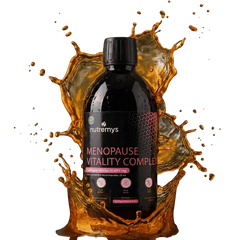
Menopause Vitality Complex — Nutremys
Our liquid formula designed for menopause combines natural acerola vitamin C, marine collagen, and targeted active ingredients to support energy, skin quality, and immunity in women aged 45 and over.
Discover the formula →Frequently asked questions about vitamin C
📚 Scientific sources
- EFSA Panel on Dietetic Products, Nutrition and Allergies (NDA). Scientific Opinion on Dietary Reference Values for vitamin C. EFSA Journal 2013;11(11):3418.
- Hemilä H, Chalker E. Vitamin C for preventing and treating the common cold. Cochrane Database of Systematic Reviews 2013, Issue 1. CD000980.
- Davis JL et al. Liposomal-encapsulated Ascorbic Acid: Influence on Vitamin C Bioavailability and Capacity to Protect Against Ischemia–Reperfusion Injury. Nutrients. 2016;8(7):444.
- Carr AC, Maggini S. Vitamin C and Immune Function. Nutrients. 2017;9(11):1211.
- Brincat M et al. Estrogens and the skin. Climacteric. 2005;8(2):110–23.
- Liguori I et al. Oxidative stress, aging, and diseases. Clinical Interventions in Aging. 2018;13:757–772.
- ANSES. Ciqual Food Composition Table. 2020.
This article is provided for informational purposes only and does not replace personalized medical advice. Consult your doctor or a healthcare professional before changing your supplementation, especially if you have a pre-existing condition or are currently taking medication.
The information shared on this blog is for educational and informational purposes only. It does not replace medical consultation, diagnosis or treatment prescribed by a healthcare professional. If you have symptoms, are undergoing treatment or are pregnant, consult your doctor before modifying your diet or starting supplementation. Nutremys LAB food supplements should not replace a varied, balanced diet or a healthy lifestyle.
