

Vulvar dryness: a common symptom, often left unspoken, but always treatable
Declining estrogen levels thin the vaginal and vulvar mucous membranes, reduce natural lubrication, alter intimate pH, and weaken the protective flora. This is what medicine calls Genitourinary Syndrome of Menopause (GSM)—a condition affecting up to 84% of menopausal women, yet only 25% of them discuss it with their doctor.
In this article, we explore the hormonal causes, proven natural remedies, essential daily care, and the role of supplementation in restoring intimate comfort and confidence. This article is for informational purposes only and does not replace medical advice.
Why vulvar dryness occurs during menopause

Estrogens do more than regulate the menstrual cycle: they maintain the thickness, elasticity, and lubrication of the vaginal and vulvar mucous membranes. When estrogen levels decline during menopause, these tissues become thinner and drier and lose their flexibility. To better understand this transition, our perimenopause vs. menopause guide may help.
Estrogens stimulate the production of a clear fluid that protects and moisturizes intimate tissues. Their decline causes thinning of the mucous membranes (vaginal atrophy), reduced lubrication, and a gradual loss of elasticity—which worsens without treatment.
A healthy vaginal pH is between 3.8 and 4.5—an acidic environment that protects against infections. As estrogen levels decline, this pH increases (becomes less acidic), reducing protective lactobacilli and encouraging opportunistic bacteria, yeast infections, and urinary tract infections. Our guide to probiotics explores this topic in greater depth.
Chronic stress reduces blood flow to the pelvic tissues. Harsh soaps, vaginal douching, and fragranced products destroy the protective flora. Certain medications (anticancer treatments, antihistamines, antidepressants) can worsen dryness.
Unlike hot flashes, which tend to improve, intimate dryness gradually worsens if left untreated. Mucosal atrophy is an ongoing process after menopause—which is why it is important to act early and maintain care over time.
Symptoms: recognizing intimate dryness
Vulvar dryness is not manifested solely by a feeling of being “dry.” Its symptoms vary and can deeply affect quality of life and intimacy.
The Genitourinary Syndrome of Menopause (GSM) encompasses all the changes affecting the vulva, vagina, urethra, and bladder after menopause. This term, introduced in 2014 by an international consensus, recognizes that intimate dryness does not occur in isolation—it is part of a broader picture that includes urinary, sexual, and vulvar symptoms. If you have also noticed changes in your urine, our article on urinary odor during menopause covers this related aspect.
Evidence-based natural remedies

Several natural approaches offer genuine, well-documented relief. They do not replace medical advice in the event of severe symptoms, but they provide an effective first line of support.
Vaginal moisturizers (gels, suppositories) based on hyaluronic acid restore mucosal hydration and improve tissue elasticity. Use 2 to 3 times a week for local application — they work over time, not only during intercourse. This is the first-line solution recommended by gynecologists for mild to moderate GSM.
Pure aloe vera gel (without fragrance or additives) offers moisturizing, anti-inflammatory, and soothing properties that calm irritation and reduce the sensation of burning. Apply a small amount to the external vulvar area. Check that the product is 99% pure and free of fragrances or alcohol.
Virgin coconut oil is a natural lubricant that deeply hydrates and creates a protective barrier on mucous membranes. It also has mild antifungal properties. Apply directly to the vulvar area. Warning: it is incompatible with latex condoms (risk of breakage).
Sitz baths with chamomile or calendula have a soothing, anti-inflammatory, and regenerative effect on irritated mucous membranes. Prepare a concentrated infusion, let it cool until lukewarm, and sit in it for 10 to 15 minutes. Use 2 to 3 times a week in cases of acute irritation.
🌿 Plants with an estrogenic effect
Some plants contain phytoestrogens — plant molecules whose structure is similar to human estrogen. Consumed regularly, they may help improve mucosal hydration from within.
The most effective approach combines local hydration (aloe vera gel, hyaluronic acid moisturizer) with internal nutritional support (phytoestrogens, omega-3s, collagen). Treating only from the outside relieves symptoms; supporting hormonal balance from within addresses the cause.
Daily care to prevent dryness

Simple daily steps make a considerable difference to intimate comfort in the long term. Prevention is just as important as treatment.
Use a fragrance-free, pH-neutral or slightly acidic soap (pH 4–5) specifically for the intimate area. Wash only the external area with your hands — never douche, use a sponge, or apply any product internally. The vagina has its own self-cleaning mechanism.
Cotton and breathable fabrics reduce trapped moisture and friction — two factors that worsen irritation. Avoid synthetic fabrics, tight thongs, and overly fitted trousers that compress the vulvar area.
Drinking 1.5 to 2 liters of water per day helps hydrate all mucous membranes — not just the skin. A diet rich in omega-3s (oily fish, flax seeds, olive oil) supports tissue suppleness from within.
Sexual intercourse — or regular stimulation — maintains blood flow to the vaginal tissues and slows atrophy. Use a water- or silicone-based lubricant during every sexual encounter to prevent pain and microtears.
If natural remedies are not enough, if dryness significantly affects your quality of life or intimacy, or if recurrent urinary or vaginal infections occur, consult your gynecologist. Medical solutions are available: topical vaginal estrogens (cream, pessaries — local, not systemic absorption), vaginal DHEA (Intrarosa), or vaginal CO2 laser. These treatments are effective, safe, and specifically designed for GSM. Our blog article on menopause symptoms and advice from gynecologists details these options.
Supplements and natural hormonal support

Intimate dryness is not an isolated symptom — it reflects a global change in the hormonal environment. That is why targeted nutritional support, combined with local care, delivers the best long-term results.
🌿 Signs that you might benefit from supplementation
If intimate dryness is accompanied by persistent fatigue, dry skin, hair loss, brain fog, joint pain, or pelvic pain without periods, your body is sending you a broader message.
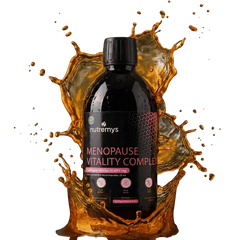
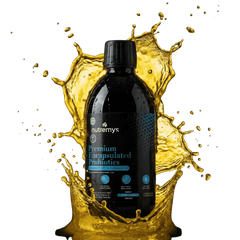
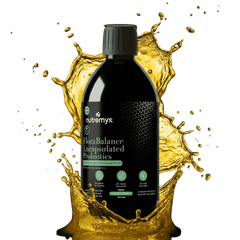
Nutremys’ Menopause Vitality Complex combines 31 active ingredients in a highly bioavailable liquid formula: marine collagen (10,000 mg) for connective tissues and mucous membranes, 6 phytoestrogens (red clover, dong quai, maca, ashwagandha, soy isoflavones, evening primrose), magnesium, vitamins D3, K2, C, E, a complete B-complex, hyaluronic acid, elastin, and CoQ10. Hyaluronic acid and collagen directly support the hydration and elasticity of mucous membranes—from within. To explore the role of each vitamin in greater depth: our guide to essential vitamins during menopause.
Occasional discomfort
Daily
Debilitating
FAQ — Frequently asked questions about vulvar dryness
acog.org
mayoclinic.org
pmc.ncbi.nlm.nih.gov
Related articles

The information shared on this blog is for educational and informational purposes only. It does not replace medical consultation, diagnosis or treatment prescribed by a healthcare professional. If you have symptoms, are undergoing treatment or are pregnant, consult your doctor before modifying your diet or starting supplementation. Nutremys LAB food supplements should not replace a varied, balanced diet or a healthy lifestyle.
