



Urine odor changes during menopause: a hormonal signal, not an inevitability
The decline in estrogen affects more than just the ovaries: it changes the bladder and urethral lining, alters vaginal pH, reduces protective bacteria (lactobacilli), and promotes urinary concentration. The result: darker, stronger-smelling urine and an increased risk of urinary tract infections.
In this article, we explain the hormonal and non-hormonal causes of these changes, how to interpret different odors, warning signs, and practical solutions to protect your urinary health. This article is for informational purposes only and does not replace medical advice.
Why urine odor changes during menopause

Normally, urine has a mild, almost imperceptible odor—it is composed of 95% water and nitrogenous waste filtered by the kidneys. But during menopause, several mechanisms converge to alter this odor. Understanding these mechanisms is already a step toward taking action. If you would like to identify your hormonal stage, our perimenopause vs. menopause guide can help.
Estrogen maintains the integrity of the bladder and urethral lining. Its decline causes this barrier to thin, reduces antimicrobial peptides, and alters local blood flow. The lining becomes more vulnerable to bacteria and irritation.
With the decline in estrogen, lactobacilli—protective bacteria that maintain vaginal and urinary acidity—decrease. This allows opportunistic microorganisms (particularly E. coli) to colonize the flora, producing odorous compounds and increasing the risk of infections. To learn more about the role of the microbiome, see our complete guide to probiotics.
Due to fear of urinary leakage or frequent urges, many women reduce their water intake. The result is urine that is more concentrated in urea and nitrogenous waste, a darker color, and a stronger ammonia odor. This vicious cycle worsens the problem.
The vaginal and urethral pH increases (becomes less acidic) after menopause, weakening the natural defenses against infections. This change in acidity also alters the chemical compounds present in urine, contributing to unusual odors.
A review published in CMAJ (2025) confirms that declining estrogen causes a reduction in antimicrobial peptides and immunoglobulin A in the urogenital mucosal tissues, dysfunction of local immune cells, thinning of the urinary barrier, and changes to the normal microbiome—together contributing to increased susceptibility to urinary tract infections and changes in urine odor.
Types of urinary odors and what they mean

Each type of odor may point to a different cause. Knowing how to distinguish them helps you take effective action—or seek medical advice at the right time.
Concentrated urine, dehydration, or excess protein. Drink more water
Foods (asparagus, garlic, cruciferous vegetables). Temporary, disappears within a few hours
Presence of ketones — poorly controlled diabetes or prolonged fasting. Seek medical advice
Urinary tract infection or bacterial vaginosis. Cloudy urine + burning. Medical consultation necessary
If a strong odor appears after a specific food (asparagus, garlic) and disappears within a few hours, it is food-related and harmless. If it persists for several days and is accompanied by burning, fever, or cloudy urine, it is a sign worth seeking medical advice about. The rule is simple: temporary = dietary, persistent = medical.
Urine color: what it reveals
Urine color adds to the information provided by odor. It is a quick visual indicator of your hydration level and urinary health.
Warning signs: when to seek medical advice
A temporary change in odor is rarely concerning. However, certain situations require a consultation to rule out an infection or an underlying condition.
- Persistent strong odor (more than 2–3 days) despite good hydration.
- Burning when urinating, frequent urges, or a sensation of incomplete emptying.
- Cloudy, dark urine or urine containing blood.
- Fever or lower back pain — may indicate a kidney infection (pyelonephritis).
- Persistent sweet or fruity odor — may indicate poorly controlled diabetes.
Natural solutions for urinary health

Simple daily measures can make a significant difference to urinary odor and urogenital health during menopause.
Drinking 1.5 to 2 liters of water per day dilutes urine, reduces the concentration of odorous waste products, and helps flush out bacteria. Do not reduce your water intake out of fear of leaks—in contrast, diluted urine is less irritating to the bladder.
Limit sulfur-containing foods (asparagus, raw garlic, cruciferous vegetables) if the odor bothers you. Reduce coffee, alcohol, and excess animal protein. Choose fruits, vegetables, fiber, and omega-3s to support an overall anti-inflammatory response. To learn more, see our essential supplements after age 50.
Lactobacillus-based probiotics can help restore the balance of the intimate and urinary flora, which can be weakened by declining estrogen levels. Our Premium Encapsulated Probiotics contain targeted strains to support this balance. Cranberry and D-mannose have also been studied for their role in preventing recurrent urinary tract infections.
Kegel exercises and hypopressive techniques strengthen the pelvic floor muscles, improve urinary control, and reduce leaks which, through prolonged contact with the mucous membranes, can worsen odors. Our article on muscle loss during menopause explores this aspect.

🌿 Signs that you may benefit from supplementation
If urinary changes are accompanied by persistent fatigue, dry skin and intimate dryness, hair loss, brain fog, or joint pain, your body is sending you a broader message: it needs comprehensive nutritional support.
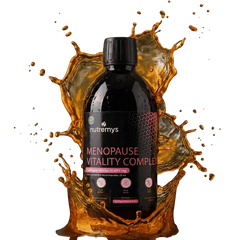
Nutremys's Menopause Vitality Complex combines 30 active ingredients in a highly bioavailable liquid formula: marine collagen (10,000 mg) for mucous membranes and connective tissues, phytoestrogens (red clover, dong quai, maca, ashwagandha), magnesium, vitamins D3, K2, C, and E, a complete B-complex, hyaluronic acid, elastin, and CoQ10. Not a urological treatment—but comprehensive support for the hormonal environment that directly influences urinary, skin, and joint health.
Occasional
Recurrent
Alarming
FAQ — Frequently asked questions about urine odor during menopause
pmc.ncbi.nlm.nih.gov
livi.fr

The information shared on this blog is for educational and informational purposes only. It does not replace medical consultation, diagnosis or treatment prescribed by a healthcare professional. If you have symptoms, are undergoing treatment or are pregnant, consult your doctor before modifying your diet or starting supplementation. Nutremys LAB food supplements should not replace a varied, balanced diet or a healthy lifestyle.
