




At a glance
- Migraine during menopause is often linked to sudden changes in estrogen, especially during perimenopause.
- In a large American study, the risk of frequent headaches increased by 60% during perimenopause.
- After natural menopause, many women notice an improvement, although this is not universal.
- Sleep, hydration, regular meals and stress management matter just as much as medication.
- New aura, sudden or unusual headache: seek medical attention without delay.
Why migraines change during menopause
Migraine is not simply a “headache.” It is a neurological condition, three times more common in women than in men, and highly sensitive to hormones. Many women have already noticed this before their periods: the drop in estrogen triggers attacks.
Perimenopause, however, resembles a menstrual cycle that has become unpredictable. Estrogen levels do not fall steadily: they go up and down, sometimes over just a few weeks. It is this instability, more than the low level itself, that seems to destabilize women with migraines.

Once menopause has begun, hormones stabilize at a low level. This is one reason why many women find that their attacks become less frequent over time. But this is not a rule, and the journey can be uncomfortable.
What studies say about migraine during menopause
These figures come from an analysis of the American AMPP study, published in 2016 in the journal Headache by Vincent Martin and his team. The researchers compared women with migraines who were menstruating, in perimenopause and postmenopausal. The authors also point out that some of the increase could be due to more frequent use of painkillers, which itself perpetuates headaches.
Natural or surgical menopause
A systematic review of 22 studies (Ripa et al., 2015, International Journal of Women's Health) indicates that migraine improves more often after natural menopause than after surgical menopause, when worsening is reported more frequently. Findings on hormone therapy remain mixed: this is a decision to make with your doctor.
Migraine triggers to watch for during perimenopause
Hormones set the stage, but other factors trigger the attack. Keeping a diary for two or three months helps identify them.
Fragmented sleep
Nighttime awakenings caused by hot flashes and insomnia weaken the migraine-prone brain.
Skipping meals
A drop in blood sugar can be enough to trigger an attack. Regularity matters.
Dehydration
A day that's too demanding, a forgotten glass of water: the body makes you pay for it.
Stress and the letdown after it
Many attacks occur when you relax, at the weekend or at the start of a holiday.
Painkillers taken too often
Taken more than two to three days a week, they can perpetuate headaches. Talk to your doctor rather than increasing the doses.
What helps day to day: five practical tools
You can't control your hormones, but you can influence everything surrounding the attack. Here are the most useful guidelines.

A small habit to adopt
At the first signs (light sensitivity, a tense neck), drink a large glass of water, eat something, and retreat to a quiet place. Acting early often helps, and your doctor can prescribe a suitable acute treatment.
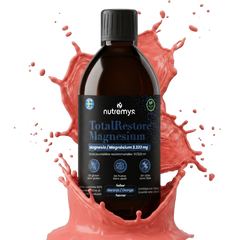
From a nutritional perspective, magnesium is of great interest to many women with migraines. Let's be honest: no supplement cures migraine. Magnesium does, however, help reduce fatigue and support normal nervous system function, two factors that matter when you sleep poorly. If you are wondering about a possible magnesium deficiency, discuss it with your doctor before taking supplements.
When to seek prompt medical attention
Seek medical attention without delay if…
The headache is sudden and unusually intense; an aura (visual disturbances, tingling, difficulty speaking) appears for the first time or changes form; the pain is accompanied by fever, a stiff neck, weakness on one side of the body, or confusion. In the event of sudden neurological symptoms, call 15.
Also talk to your doctor if you have migraine with aura and are considering hormone therapy: the choice of administration route and dosage should be discussed on a case-by-case basis. If you also experience palpitations, a complete checkup is advisable.
Signs you may benefit from supplementation
Menopause increases the body's needs and disrupts certain balances. A well-chosen supplement can complement your routine if you recognize several of these signs:
- persistent fatigue, especially at the end of the day;
- light sleep and frequent nighttime awakenings;
- skin, hair, or joints that are changing;
- an irregular diet, with meals sometimes skipped.
A supplement does not replace a varied diet or medical advice, and it does not treat migraine. However, it may support your overall well-being during midlife.
Frequently asked questions about migraine during menopause
Do migraines go away at menopause?
Not always. Many women notice an improvement after natural menopause, when hormone levels stabilize. However, perimenopause is often the most difficult period.
If your attacks persist, specialist follow-up can help you adjust your treatment strategy.
Why am I having migraines at 50 when I never had them before?
Hormonal fluctuations during perimenopause can reveal previously silent sensitivity. However, a first severe or unusual headache after age 50 warrants medical advice to rule out another cause.
Does hormone therapy worsen migraine?
The evidence is mixed: some observational studies associate the treatment with worsening, while clinical trials are inconclusive. It all depends on the form, dose, and your individual profile, particularly in the case of aura.
What should I do during a migraine attack?
Rest in a quiet, dark place, stay hydrated, and take the acute treatment prescribed by your doctor at the very beginning.
Avoid taking painkillers repeatedly over long periods.
Scientific sources
- Martin VT, Pavlovic J, Fanning KM, Buse DC, Reed ML, Lipton RB. Perimenopause and menopause are associated with high frequency headache in women with migraine. Headache, 2016 (DOI 10.1111/head.12763).
- Ripa P, Ornello R, Degan D, et al. Migraine in menopausal women: a systematic review. International Journal of Women's Health, 2015;7.
- Narrative review: Migraine and menopause, PubMed.
- European Food Safety Authority (EFSA): authorized health claims for magnesium.
This article is for informational purposes only and does not replace medical advice.
Support your body during the transition
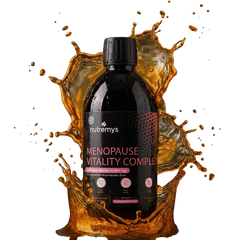
Menopause Vitality Complex combines marine collagen and targeted active ingredients in a liquid formula to support your daily well-being.
Discover Menopause Vitality Complex


The information shared on this blog is for educational and informational purposes only. It does not replace medical consultation, diagnosis or treatment prescribed by a healthcare professional. If you have symptoms, are undergoing treatment or are pregnant, consult your doctor before modifying your diet or starting supplementation. Nutremys LAB food supplements should not replace a varied, balanced diet or a healthy lifestyle.

