


At a glance
- Palpitations affect many women during perimenopause and early postmenopause.
- They are often linked to hot flashes, stress, lack of sleep, and caffeine.
- In a large American study, they were not associated with silent cardiovascular disease.
- Certain signs require immediate medical attention.
Palpitations during menopause: what are we talking about?
A palpitation is the sensation of feeling your heartbeat: the heart seems to beat too hard, too fast, or skip a beat. This can last a few seconds or several minutes, at rest or during exertion.
Many women describe a “fluttering” in their chest, or a heart that “races” at night as they are falling asleep. This sensation is real, and it is not imaginary. The good news: during this stage of life, it is benign in the vast majority of cases.
Why does the heart race during perimenopause?
Estrogens do not only affect menstrual cycles. They also play a role in regulating blood vessels and the autonomic nervous system, which adjusts your heart rate without you having to think about it. When estrogen levels fluctuate, this balance becomes more sensitive.
The most common triggers
Hot flashes (the heart often speeds up just before or during them), broken sleep, stress and anxiety, caffeine, alcohol, a heavy meal, as well as dehydration or iron deficiency. To better understand the link with heat, read our article on hot flashes during menopause.
Sleep plays a central role: a short night makes the nervous system more reactive the next day. If this sounds familiar, our guide to insomnia during menopause will give you practical guidance.
These palpitations occur mainly during the transition. To determine where you are in the process, see the difference between perimenopause and menopause.
Palpitations and menopause: what the studies say
The SWAN study, which follows American women through the menopausal transition, described three patterns of palpitations. It was published in the journal Menopause in 2023 by Janet Carpenter's team (PubMed source).
One reassuring finding from this study: palpitations were not associated with silent cardiovascular disease detected by imaging. This does not replace an assessment if you have concerns, but it puts things into perspective. A systematic review on the prevalence of palpitations according to menopausal status confirms that the symptom is widespread during this period.
Palpitations and menopause: when should you consult a doctor?
Although they are usually harmless, some situations require prompt medical advice. A simple assessment (clinical examination, electrocardiogram, blood tests including thyroid and iron levels) can generally resolve any uncertainty.
| Situation | What should you do? |
|---|---|
| Brief palpitations, at rest or after coffee, with no other symptoms | Observe them, note the circumstances, and discuss them with your doctor at your next appointment |
| Frequent or prolonged palpitations, or palpitations that interfere with daily life | See a doctor for an assessment (ECG, thyroid, iron) |
| Chest pain or pressure, feeling faint, shortness of breath, severe dizziness | Call 15 without waiting |
This article is for informational purposes only and does not replace medical advice.
Actions that help soothe palpitations
Breathe slowly
Five minutes of deep breathing, with a longer exhalation than inhalation, calms the nervous system.
Reduce stimulants
Limit coffee, strong tea and alcohol, especially in the afternoon and evening.
Protect your sleep
Keep the bedroom cool, follow a regular schedule, and turn off screens one hour before bedtime.
Move gently
Walk, do yoga or swim regularly: moderate activity regulates stress.
Hydrate and eat well
Drink regularly, avoid long periods of fasting and very heavy meals in the evening. Record your episodes in a journal: time, context, duration. This will help your doctor.
Magnesium contributes to the normal functioning of the nervous system and to the reduction of fatigue (claims recognized by EFSA). To learn more, see our article on magnesium deficiency during menopause.
Signs that you may benefit from supplementation
Once medical causes have been ruled out with your doctor, certain signs may indicate that your diet no longer meets all your needs: persistent fatigue, light sleep, nervousness, and skin and joints feeling the effects of hormonal changes.
A well-dosed supplement is not a treatment for palpitations. However, it may support your overall balance during the transition, alongside an appropriate lifestyle. You can also consult our complete guide to menopause symptoms.
Frequently asked questions about palpitations during menopause
Is it normal to have palpitations during menopause?
Yes, they are common. Fluctuations in estrogen make the autonomic nervous system more sensitive. If they remain brief and occur without other symptoms, they are usually benign, but discuss them with your doctor.
Are palpitations dangerous?
Rarely. In the SWAN study, they were not associated with silent cardiovascular disease. However, seek medical attention promptly if you experience chest pain, faintness, or shortness of breath.
How long do perimenopause palpitations last?
They are most common during perimenopause and early postmenopause, then tend to decrease in most women.
Why do I have palpitations at night?
Night sweats, stress, and frequent awakenings can make your heart race. A cool bedroom and a regular bedtime routine often help.
Support your balance during the transition
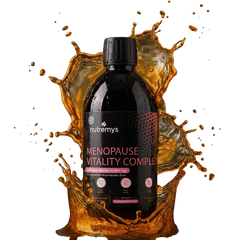
Menopause Vitality Complex combines marine collagen, vitamins, and minerals in a liquid formula designed for women aged 45 and over.
Discover Menopause Vitality ComplexScientific sources
- Carpenter JS, Cortés YI, Tisdale JE, et al. Palpitations across the menopause transition in SWAN: trajectories, characteristics, and associations with subclinical cardiovascular disease. Menopause, 2023. PubMed
- A Systematic Review of Palpitations Prevalence by Menopausal Status. Current Obstetrics and Gynecology Reports, 2020. Springer
- Carpenter JS, et al. Correlates of palpitations during menopause: a scoping review. Women's Health, 2022. SAGE
The information shared on this blog is for educational and informational purposes only. It does not replace medical consultation, diagnosis or treatment prescribed by a healthcare professional. If you have symptoms, are undergoing treatment or are pregnant, consult your doctor before modifying your diet or starting supplementation. Nutremys LAB food supplements should not replace a varied, balanced diet or a healthy lifestyle.

