


At a glance
- It’s not in your head: during menopause, the body stores and burns energy differently.
- Fat shifts toward the belly (visceral fat) as estrogen levels decline.
- Muscle is your number-one ally: we lose it with age, and it supports metabolism.
- Very restrictive diets are counterproductive: they cause muscle loss and encourage rebound weight gain.
- Sleep and stress matter just as much as what’s on your plate: they regulate appetite and fat storage.
1. Why do we gain weight during menopause?
Let’s start by removing the guilt: if you gain weight even though your habits haven’t changed, it isn’t a lack of discipline. Several mechanisms come together during menopause.
First, the drop in estrogen changes how the body distributes fat and manages insulin sensitivity. Then, from around the age of 40, we naturally lose muscle mass (a phenomenon called sarcopenia)—and muscle is the tissue that uses the most energy at rest. Less muscle means a lower basal metabolic rate: your body burns less, even without changing anything. Finally, fragmented sleep and stress during this period raise cortisol levels, which promotes abdominal fat storage and cravings.
According to major studies tracking women’s health during menopause (such as the SWAN cohort), this transition is frequently accompanied by moderate weight gain and, above all, a redistribution of fat. In other words, the issue is not just the number on the scale, but where the fat goes. To understand where you are in this transition, our comparison of perimenopause vs. menopause will shed light on the topic.

2. The changing belly: abdominal fat explained
Many women describe it this way: “I always carried weight on my hips, and now it’s on my belly.” It’s not your imagination. Before menopause, estrogen directs fat storage toward the hips and thighs (so-called subcutaneous fat). As estrogen levels fall, fat storage shifts toward the abdomen, in the form of visceral fat—the fat surrounding the organs.
Waist circumference is therefore a better indicator than the scale alone. If your weight changes little but your waistband feels tighter, this redistribution is at work—and that is precisely what you can influence.
3. Nutrition: what really works (without a restrictive diet)
The first reflex to abandon: the drastic low-calorie diet. It causes water and muscle loss, slows metabolism even further, and sets the stage for rebound weight gain. During menopause, you shouldn't eat less; you should eat better and more nutrient-dense.
More protein
At every meal (eggs, fish, legumes, tofu, yogurt). They preserve muscle, keep you full, and limit snacking. This is the number-one lever.
Unlimited fiber
Vegetables, fruit, legumes, whole grains: satiety, more stable blood sugar, and better digestion.
Fewer fast sugars
Blood sugar spikes promote abdominal fat storage and cravings. Reduce added sugar, not enjoyment.
Healthy fats
Olive oil, nuts, and fatty fish: satiety and hormonal support without excess empty calories.
To learn more about the method without deprivation, our natural weight loss guide explains how to get started without rebound weight gain, and our article on the 5 mistakes that sabotage weight loss lists the pitfalls to avoid.

4. Muscle & movement: the most underestimated lever
If you remember only one thing: protect and rebuild your muscle. It is what maintains your metabolism, strength, posture, and bone density. During menopause, relying solely on cardio is a common mistake.
per week minimum of strength training (bodyweight exercises, resistance bands, or dumbbells) to preserve lean mass.
of moderate activity per week (brisk walking, cycling, swimming) recommended for health and weight management.
the energy expenditure from small everyday movements (walking, climbing stairs): underestimated but decisive.
Strength training requires neither a gym nor peak performance: 20 to 30 minutes twice a week is enough to reverse the trend. To understand why this muscle loss occurs and how to rebuild muscle intelligently, read our article dedicated to muscle loss during menopause.
5. Sleep, stress, and hormones: the neglected trio
You can do everything “right” with your diet and training and still plateau because of sleep and stress. This is the blind spot of weight gain during menopause.
Lack of sleep disrupts appetite hormones (more hunger, less satiety) and increases sugar cravings. Night sweats, common during this stage, fragment sleep. Chronic stress, meanwhile, raises cortisol, which promotes abdominal fat storage. Addressing these two levers—good sleep habits, breathing, and calming activities—can help unlock a situation that once seemed stuck.
| Lever | Practical action |
|---|---|
| Protein | A source at every meal, ~20–30 g, to protect muscle. |
| Strength | Strength training twice a week, progressively. |
| Sleep | Regular schedules, a cool bedroom, screens off in the evening. |
| Stress | Breathing, walking, enjoyable activities—lower cortisol. |
| Blood sugar | Less added sugar, more fiber and protein. |
6. Supplements: what may help (and what won’t work miracles)
Let’s be clear: no supplement makes fat “melt away,” and beware of those that promise it. However, certain nutrients support the mechanisms described above, with benefits recognized by the EFSA.
Signs that targeted support may help you
- Fatigue that undermines your motivation to stay active.
- Sugar cravings, especially at the end of the day.
- Sleep disrupted by hot flashes.
- A diet that is difficult to balance for protein, B6, or magnesium.
If these points resonate with you, an appropriate nutritional foundation—in addition to your diet and physical activity—can make a difference. For an overview, also see our guide to essential supplements after 50.
A nutritional foundation for this new stage
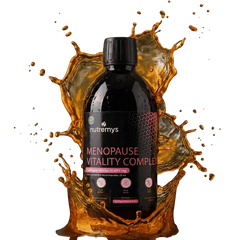
30 active ingredients in one daily serving—B6, magnesium, B complex, marine collagen—to support energy, muscle, and balance, without synthetic hormones.
Discover Menopause Vitality ComplexFrequently asked questions
How can you lose weight during menopause?
By combining four levers rather than following a restrictive diet: increase protein at every meal to preserve muscle, add strength training twice a week, improve sleep and reduce stress (which influence appetite), and limit added sugars. It is the combination that works, not deprivation.
How can you lose belly fat during menopause?
Abdominal (visceral) fat responds well to regular physical activity, strength training, and a diet rich in protein and fiber and low in added sugars. Waist circumference is a better indicator than the scale. No method targets just one area: overall improvement is what reduces belly fat.
Is weight gain during menopause inevitable?
No. Moderate weight gain and a redistribution toward the abdomen are common, but they are not inevitable. By acting early on muscle, diet, and sleep, you can largely limit or even reverse the trend.
How long does it take to see results?
The first changes (energy, satiety, waist circumference) often appear within 4 to 8 weeks with consistent habits. Consistency matters more than intensity: sustainable changes over time are better than extreme, short-lived efforts.
Which supplement should you take for weight gain during menopause?
No supplement can make you lose weight on its own. However, vitamin B6, magnesium, the B complex, and adequate protein intake support metabolism, energy, and muscle—the real levers. Favor a comprehensive approach over “fat burners” with excessive claims.
Scientific sources
- Study of Women's Health Across the Nation (SWAN) — changes in weight and body composition during menopause.
- European Food Safety Authority (EFSA) — authorized health claims (vitamin B6, magnesium, protein): efsa.europa.eu
- ANSES — Physical activity, nutrition, and dietary supplements: anses.fr
- Literature on sarcopenia and the role of strength training after age 45.
This article is for informational purposes only and does not replace medical advice. In the event of rapid, unexplained weight gain or ongoing treatment, consult your doctor.
Related articles

The information shared on this blog is for educational and informational purposes only. It does not replace medical consultation, diagnosis or treatment prescribed by a healthcare professional. If you have symptoms, are undergoing treatment or are pregnant, consult your doctor before modifying your diet or starting supplementation. Nutremys LAB food supplements should not replace a varied, balanced diet or a healthy lifestyle.
