

At a glance
- Arthralgia (joint pain) is among the most common symptoms of menopause, long underestimated.
- The drop in estrogen is to blame: these hormones protect cartilage and tendons and regulate inflammation.
- The term menopause musculoskeletal syndrome is now used to describe this phenomenon.
- Staying active remains the first step: inactivity worsens stiffness.
- Collagen, omega-3s, vitamin D, and magnesium are among the allies studied.
Why menopause causes joint pain
You wake up in the morning with stiff fingers, knees that “crack,” and stiffness that takes long minutes to subside. And you wonder what is happening to you, even though you have changed nothing about your daily routine. The answer often comes down to one word: estrogen.
These hormones do not only regulate the menstrual cycle. They have a genuine protective effect on the musculoskeletal system: they help maintain cartilage, preserve tendon flexibility, hydrate connective tissues, and have a natural anti-inflammatory action. When their levels plummet during perimenopause and then menopause, this protection disappears. The joints become more sensitive to inflammation and wear and tear.
This link is now better recognized by the medical community. In 2024, a team of researchers proposed the term menopause musculoskeletal syndrome (Wright et al., Climacteric journal) to bring together under one umbrella the joint pain, muscle loss, and stiffness that accompany this transition. For a long time, these complaints were attributed “to age” or dismissed. We now know that they have a clear hormonal basis.
Recognizing menopause-related joint pain
Not all joint pain is the same. Pain related to menopause often follows a particular pattern: it is diffuse, generally symmetrical (both hands, both knees), and characterized by morning stiffness that improves with movement throughout the day. It may also move from one joint to another.
| Sign | Menopause-related pain | Warning signs |
|---|---|---|
| Location | Diffuse, often symmetrical (hands, knees, shoulders) | A single joint that is hot, red, and swollen |
| Timing | Stiffness in the morning that eases with movement | Pain that repeatedly wakes you at night |
| Progression | Fluctuating, linked to fatigue and stress | Persistent swelling, rapid loss of mobility |
| Context | Appeared around perimenopause | Fever, associated unexplained weight loss |
This table is a guide, not a diagnosis. Menopause can coexist with early osteoarthritis or an inflammatory condition such as rheumatoid arthritis. If your pain matches the right-hand column, seek medical advice. The difference between the stages of this transition is explained in our article perimenopause vs. menopause.
Your joints deserve real support
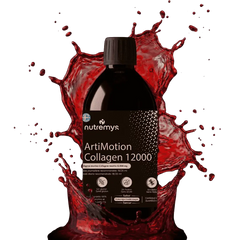
ArtiMotion Collagen 12,000 combines collagen with active ingredients designed to support everyday joint comfort.
Discover ArtiMotion CollagenNatural solutions that really work
When it comes to menopausal joint pain, there is no miracle cure, but a range of approaches whose effectiveness is documented. The most powerful is also the most counterintuitive: movement.
Moving despite stiffness
Inactivity perpetuates pain. Walking, swimming, cycling, gentle yoga: regular activity lubricates the joints and strengthens the muscles that support them. Aim for consistency rather than intensity.
Strengthen your muscles
Muscle loss accelerates during menopause. Two strength-training sessions a week, even light ones, protect the knees and hips by reducing the load on cartilage.
An anti-inflammatory plate
Fatty fish, olive oil, colorful vegetables, berries, and spices such as turmeric: this Mediterranean model helps moderate low-grade inflammation. Limit refined sugars and ultra-processed foods.
Take care of your sleep and stress
Lack of sleep lowers the pain threshold, and chronic stress perpetuates inflammation. Breathing exercises, heart coherence, and calming routines are not minor details.
Collagen, an ally of the joint matrix
Cartilage and tendons are largely made up of collagen. From menopause onward, however, its production drops significantly. Supplementing with collagen peptides is attracting growing interest: a 24-week study observed a reduction in activity-related joint pain in people receiving collagen peptides (Clark et al., Current Medical Research and Opinion, 2008).
Vitamin D, omega-3s, and magnesium
Three nutrients regularly appear in the literature on joint and muscle comfort. Vitamin D3 contributes to the maintenance of normal muscle and bone function (an EFSA-authorized claim)—a crucial point when you know that deficiency is common after age 50. Omega-3s support inflammatory balance, and magnesium contributes to normal muscle function and may help ease tension and cramps. For an overview, see our essential supplements after age 50.
Signs that supplementation may help
Adjusting your lifestyle is sometimes enough. But certain signs indicate that targeted nutritional support may be worthwhile:
Persistent morning stiffness
It takes you more than 30 minutes to “loosen up” every morning, several days a week.
Pain that limits movement
You reduce your activities for fear of pain, which perpetuates the vicious cycle.
A diet low in collagen and omega-3s
Little oily fish, broth, or quality protein sources in the daily diet.
Known vitamin D deficiency
A medical assessment has already shown an insufficient level, which is common at French latitudes in winter.
Your frequently asked questions
Does menopause really cause joint pain?
Yes. The decline in estrogen reduces its anti-inflammatory and protective effect on cartilage and tendons. Arthralgia is among the most common symptoms of the menopausal transition, to the extent that researchers now refer to menopausal musculoskeletal syndrome. It is neither “in your head” nor simply a matter of age.
How can menopause-related joint pain be relieved?
The first step is to move regularly despite the stiffness: walking, swimming, gentle yoga. Add an anti-inflammatory diet, good sleep, and stress management. In terms of nutrients, collagen, omega-3s, vitamin D, and magnesium are the most studied for joint and muscle comfort.
How long does this pain last?
It varies widely. For many women, the intensity decreases once the peak of the hormonal transition has passed, as the body adapts. Others experience joint sensitivity for longer. Taking early action on movement and nutrition significantly improves the outlook and everyday comfort.
Muscle or joint pain: what is the difference?
Joint pain occurs at the joints (knee, fingers, shoulder) and is often accompanied by stiffness. Muscle pain affects the muscle itself and causes a sensation of soreness or tightness. During menopause, the two frequently coexist because the decline in hormones affects both cartilage and muscle mass.
Scientific sources
- Wright VJ et al. “The Musculoskeletal Syndrome of Menopause.” Climacteric, 2024. Available through the PubMed database.
- Watt FE. “Musculoskeletal pain and menopause.” Post Reproductive Health, 2018.
- Clark KL et al. “24-Week study on the use of collagen hydrolysate as a dietary supplement in athletes with activity-related joint pain.” Current Medical Research and Opinion, 2008.
- EFSA — Authorized health claims (vitamin D, magnesium): EFSA, health claims.
Related articles

The information shared on this blog is for educational and informational purposes only. It does not replace medical consultation, diagnosis or treatment prescribed by a healthcare professional. If you have symptoms, are undergoing treatment or are pregnant, consult your doctor before modifying your diet or starting supplementation. Nutremys LAB food supplements should not replace a varied, balanced diet or a healthy lifestyle.
