


Stomach acidity: a common but often preventable digestive disorder
Heartburn occurs when gastric juices flow back into the esophagus, an area not protected against their acidity. If this happens occasionally, it is often linked to diet or stress. When it occurs frequently, it may indicate gastroesophageal reflux disease (GERD), which requires appropriate care.
In this article, we explain the main causes of acidity, validated natural remedies for rapid relief, which foods to favor or avoid, and when to consult a healthcare professional.
Causes of stomach acidity

Understanding the cause of heartburn is the first step toward preventing it effectively. In the vast majority of cases, it results from a combination of modifiable factors.
Large meals, ultra-processed foods, saturated fats, spicy dishes, and carbonated drinks increase stomach acid production and weaken the lower esophageal sphincter, which prevents acid from rising.
The digestive system is directly connected to the autonomic nervous system via the gut-brain axis. High stress levels slow gastric emptying, increase visceral sensitivity, and promote reflux. It is one of the most underestimated causes of recurring heartburn.
Prolonged use of nonsteroidal anti-inflammatory drugs (NSAIDs) — aspirin, ibuprofen, naproxen — can damage the stomach lining and weaken the anti-reflux mechanism. Bisphosphonates, certain antibiotics, and corticosteroids are also aggravating factors.
Hiatal hernia (partial displacement of the stomach into the chest), functional dyspepsia, and slow digestion mechanically increase the risk of reflux. Being overweight, pregnancy, and smoking are also recognized aggravating factors.
If you experience heartburn more than twice a week, difficulty swallowing, repeated vomiting, unexplained weight loss, or chest pain, consult a doctor promptly. These signs may indicate severe GERD, a stomach ulcer, or, more rarely, an esophageal condition requiring an accurate diagnosis.
Natural remedies for rapid relief

When heartburn occurs, several natural approaches can provide rapid relief without resorting to medication. Here are the best-documented options.
🥄 Baking soda: useful but use with caution
Baking soda is one of the best-known home remedies for temporarily neutralizing excess stomach acid. Its effect is rapid but short-lived. If you use it occasionally, dissolve half a teaspoon in a large glass of lukewarm water. Frequent use is not recommended (risk of rebound) and it is contraindicated for people with high blood pressure, kidney failure, or those taking medication without medical advice.
For mild heartburn after a meal, chewing a few almonds slowly or drinking a large glass of cool water may be enough to dilute the acidity and ease the burning sensation. Sitting upright or walking gently rather than lying down speeds gastric emptying and reduces the risk of reflux.
🥑 Soothing foods within easy reach
Certain low-acid foods have a natural buffering effect on the stomach. In cases of mild heartburn, consider ripe banana (soothing effect on the lining), cooked oat porridge (absorption of excess acid through the soluble beta-glucan fiber), unsweetened plain yogurt (probiotic and buffering effect), or steamed vegetables such as zucchini, carrot, or sweet potato.
Neutral pH, soothing effect on the esophageal lining
Soluble fiber that absorbs excess stomach acid
Probiotics and a buffering effect on acidity
Zucchini, carrot, sweet potato — neutral and easy to digest
The most effective medicinal plants
Herbal medicine offers several well-documented options for supporting digestive comfort and reducing heartburn. Here are the plants with the strongest scientific evidence.
Aloe vera gel juice (Aloe barbadensis miller) contains mucilaginous polysaccharides that coat the gastric and esophageal mucosa, forming a protective barrier against acidity. A randomized clinical study published in the Journal of Traditional Chinese Medicine (2015) showed that daily intake of aloe vera syrup significantly reduced GERD symptoms over a 4-week period, with a favorable tolerability profile. Important: use only the inner gel, not aloe latex (a powerful and irritating laxative).
Digestive herbs are most effective when consumed as an infusion 15 to 20 minutes after meals or preventively 30 minutes before a potentially irritating meal. Liquid extracts or mother tinctures allow faster absorption. Standardized extract capsules provide precise dosing for regular use. In all cases, 1 to 3 weeks of regular use are necessary to observe a significant effect in cases of chronic acidity.
Anti-reflux diet and habits

Diet is the most powerful tool for preventing heartburn. Changing what we eat—and especially how we eat—can radically improve daily digestive comfort.
🚫 Foods and drinks to limit
Some foods directly weaken the lower esophageal sphincter or excessively stimulate acid production. The main ones to watch are coffee and strong tea (acid stimulants), carbonated drinks (increase intra-gastric pressure), alcohol (irritates the mucous membrane), chocolate (relaxes the sphincter), very fatty or fried foods (delay gastric emptying), and tomatoes and citrus fruits in cases of personal sensitivity.
✅ Foods to prioritize
Base your meals around foods with low irritant potential: whole grains (oats, brown rice, quinoa), cooked vegetables (except peppers and raw onions), white meats and lean fish, well-cooked legumes, and low-acid fruits (banana, pear, melon). Kefir and plain yogurt may help support a balanced digestive microbiome.
Large meals distend the stomach and increase pressure on the sphincter. Eating smaller, more frequent meals (4 to 5 small meals per day rather than 3 large ones) is one of the best-validated recommendations for reducing functional GERD.
Allowing at least 2 to 3 hours between dinner and bedtime gives the stomach time to partially empty. Eating too late or having an overly large evening meal is one of the most common causes of nighttime reflux.
In cases of nighttime reflux, raising the head of the bed by 15 to 20 cm (not just the pillow—the bed frame itself) uses gravity to keep acid in the stomach during sleep. This simple physical measure is recommended by gastroenterologists.
Stress is a major trigger of GERD. Regular practices such as heart coherence, meditation, yoga, or abdominal breathing positively affect gastric motility and reduce visceral sensitivity—with measurable effects after just 4 to 6 weeks of regular practice.
Avoiding lying down within 2 hours after a meal is one of the simplest and most effective measures. A gentle 15- to 20-minute walk after lunch or dinner stimulates gastric motility and speeds stomach emptying, mechanically reducing the risk of reflux. Conversely, tight clothing around the abdomen increases intra-abdominal pressure and worsens symptoms.
Natural supplements for digestive comfort
Alongside an appropriate diet, certain natural supplements can regularly support digestive function.
Digestive enzymes (proteases, lipases, amylases) help break down food more efficiently, reducing the stomach's workload and therefore the amount of acid needed for digestion. Particularly useful for older people or in cases of slow, heavy digestion.
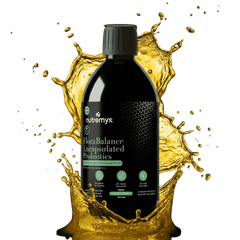
A balanced gut microbiome contributes to efficient digestion and may reduce recurrent digestive symptoms. The strains Lactobacillus and Bifidobacterium are the best documented for gastrointestinal comfort. The effects are cumulative and generally become noticeable after 3 to 4 weeks of regular use.
Formulas combining fennel, lemon balm, chamomile, DGL licorice, and ginger offer a synergistic approach targeting several mechanisms: reducing spasms, protecting the mucous membrane, stimulating motility, and providing a mild anxiolytic effect. Available as teas, capsules, or liquid extracts. Use as a 4- to 8-week course, preferably under the advice of a healthcare professional if symptoms are frequent.
Guide based on symptom intensity

The optimal approach depends on the frequency and intensity of symptoms. Here is a practical guide to adapting solutions to your situation.
Occasional
Persistent
Frequent
Seek prompt medical attention if you experience: severe chest pain (which must be distinguished from cardiac pain), difficulty swallowing or a sensation of food getting stuck, repeated vomiting or vomiting with traces of blood, unexplained weight loss, or anemia. These symptoms may indicate a condition requiring urgent endoscopic evaluation.
FAQ — Frequently asked questions about heartburn
doi.org/10.1016/j.jtcme.2014.12.001
ncbi.nlm.nih.gov
doi.org/10.1038/nrgastro.2017.11
doi.org/10.1136/gutjnl-2017-315906
doi.org/10.1007/s10620-012-2488-y
The information shared on this blog is for educational and informational purposes only. It does not replace medical consultation, diagnosis or treatment prescribed by a healthcare professional. If you have symptoms, are undergoing treatment or are pregnant, consult your doctor before modifying your diet or starting supplementation. Nutremys LAB food supplements should not replace a varied, balanced diet or a healthy lifestyle.
