


At a glance
- After 50, we naturally lose muscle: this is sarcopenia, and nutrition can slow it down.
- Eggs and red meat are excellent sources of protein, but each has its limitations.
- The sardine combines high-quality protein, omega-3 EPA/DHA, calcium, vitamin D, and B12.
- Canned, it retains all its nutrients - and its bones become a rich source of calcium.
- Recommendation: oily fish at least twice a week.
Why nutrition matters so much more after 50
Many people think that losing strength is an inevitable part of aging. We tell ourselves that it is normal to become short of breath on the stairs, struggle to get up from a chair, and watch our muscles waste away “just like that.” In reality, all of this stems from a process with a name: sarcopenia, the gradual loss of muscle mass and strength over the years.
This phenomenon does not start suddenly at 50: it can begin much earlier and accelerate if nothing is done. We move less, do less strength training, and many people eat less protein than they should. There is also a factor that is rarely discussed: muscles respond less effectively to protein. Researchers call this anabolic resistance.
Imagine that at 25, your muscles were a new sponge that absorbed the slightest stimulus to grow. Over time, this sponge becomes stiffer and requires a stronger signal to respond. In other words, it is no longer enough to eat “a little” protein: you need high-quality protein, and above all, you need to combine it with strength training.

Eggs: excellent, but not the hero of the story
When I ask my patients this question, most answer, “eggs.” And its reputation is well deserved. Long criticized for its cholesterol content, we now know that, for most people, it is one of the most complete foods. It provides high-quality protein, all nine essential amino acids, and is particularly rich in leucine — the amino acid that acts like a switch to initiate muscle tissue building.
It also contains choline (helpful for the brain), B vitamins, vitamin A, selenium, and a little vitamin D. Affordable and easy to cook, it has everything going for it. So why isn't it the star? Because another food provides all that and nutrients that eggs contain only in small amounts, or not at all.
Red meat: complete, but best consumed in moderation
Red meat is one of the most complete foods there is: complete proteins rich in leucine, an excellent source of heme iron (much better absorbed than plant-based iron), vitamin B12, zinc, phosphorus, selenium, as well as creatine and carnosine. Iron helps transport oxygen to the muscles; when it is lacking, we feel tired and recover less effectively.
If we looked only at the nutrients, we would conclude, “the more I eat, the better.” But large follow-up studies show something else. High consumption of red meat — especially when it replaces other healthy foods — is associated with an increased risk of cardiovascular disease, type 2 diabetes, and certain cancers, particularly colon cancer. The risk rises further with processed meats (sausages, bacon, industrially produced ham), which the WHO recommends limiting as much as possible.
This is not about eliminating fresh red meat, but keeping it in its proper place: international guidelines recommend not exceeding 350 to 500 g of cooked red meat per week. A good steak on Sunday is no problem — the issue arises when meat becomes the only source of protein and pushes everything else aside.
Sardines: the quiet champion
What if a food could rival meat for muscle, while providing what meat practically lacks? That food is sardines. They offer a rare combination of nutrients at a price almost anyone can afford.
High-quality protein
One can provides 20 to 25 g of complete protein, with all the essential amino acids and the famous leucine. In terms of protein quality, sardines are in the same league as eggs and meat.
Omega-3s that meat does not have
This is where the difference becomes clear. Sardines are one of the most concentrated natural sources of EPA and DHA omega-3s. These fatty acids contribute to regulating inflammation, cardiovascular health and brain function. In mature adults, a good intake of omega-3s may even improve the muscle's response to training and protein.
As much calcium as a glass of milk
The surprise comes from the bones. Many people remove them, thinking of them as waste; the opposite is true. During canning, pressure cooking softens them until they can be crushed with a fork - and they are what concentrate a huge amount of calcium. After age 50, and especially after menopause, bone loss accelerates: this calcium, together with protein, phosphorus and vitamin D, works as a team to support your bones.
What the science says. Sardines also provide vitamin D, which helps absorb calcium and supports muscle function: a deficiency often results in muscle weakness and an increased risk of falls. They also provide vitamin B12, phosphorus and iodine. One small fish, a true nutrient powerhouse.

How to eat them properly
Does canned fish really count? Yes. For most people, canned fish is one of the best ways to eat fish: it preserves protein, omega-3s and minerals, and makes the bones edible. Just check the label and choose sardines in water or olive oil.
What about salt? Drain the liquid and rinse briefly: you remove a good portion of the sodium without losing any protein or calcium.
What about mercury? Sardines are small, short-lived fish at the bottom of the food chain: they accumulate very little mercury, unlike large fish such as swordfish or certain tuna. They are one of the safest options for regular consumption.
Signs you may need a boost
After age 50, protein, calcium and vitamin D needs increase, and diet alone is not always enough. A few signs deserve attention:
- Fatigue that does not go away with rest and slower recovery after exercise.
- Stiffer joints and skin that is losing firmness (declining collagen).
- Less strength in everyday life: getting up, carrying things, climbing stairs.
Diet remains the foundation — sardines, eggs, legumes and dairy products. See also our essential supplements after age 50 and our guide to protein deficiency.
Support your muscles, bones and energy
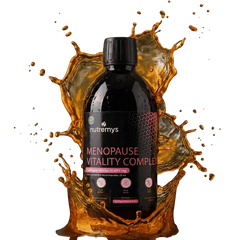
Start with a good plate of food — then, as support, our Menopause Vitality Complex combines collagen and targeted active ingredients to support your vitality after age 50.
Discover Menopause Vitality ComplexFrequently asked questions
Are canned sardines dangerous?
No, they are safe and highly nutritious when consumed normally. Choose sardines packed in water or olive oil, and drain and rinse them to reduce the salt. As a small fish, sardines accumulate very little mercury.
How many times a week should you eat sardines?
Guidelines recommend eating fish at least twice a week, prioritizing oily fish for their omega-3s. One of these servings can easily be a tin of sardines.
Should you eat the bones?
Yes. In canned sardines, the bones are softened by cooking and can be mashed with a fork. They provide most of the calcium: removing them means missing out on sardines' main benefit for bone health.
Can sardines replace meat and eggs?
It offers comparable protein quality, along with omega-3s and calcium. Ideally, you should not replace everything, but vary your diet: alternating fish, eggs, legumes and a little meat provides the broadest range of nutrients.
This article is for informational purposes only and does not replace medical advice.
Scientific sources
- World Health Organization (WHO) — Processed meat, red meat and cancer.
- World Cancer Research Fund (WCRF) — Guidelines on red and processed meat.
- EFSA — Reference protein intakes and health claims (omega-3, vitamin D, calcium).
- ANSES — Recommendations on fish consumption and calcium intake.
- Studies on sarcopenia and anabolic resistance in older adults (clinical nutrition reviews).
The information shared on this blog is for educational and informational purposes only. It does not replace medical consultation, diagnosis or treatment prescribed by a healthcare professional. If you have symptoms, are undergoing treatment or are pregnant, consult your doctor before modifying your diet or starting supplementation. Nutremys LAB food supplements should not replace a varied, balanced diet or a healthy lifestyle.
