

At a glance
- “Natural” does not mean “without effects”: several plants have clinical evidence, but their effects remain milder than HRT.
- Phytoestrogens (soy isoflavones, red clover) partially mimic estrogen without being hormones.
- The nutritional foundation matters: vitamin B6, D3, magnesium, and calcium have health claims authorized by EFSA.
- A healthy lifestyle (diet, sleep, movement) often doubles the effects of supplements.
- Medical advice is essential in case of a history of hormone-dependent cancer or ongoing HRT.
1. Is menopause without hormones possible?
During menopause, the ovaries’ production of estrogen drops. This decline triggers the best-known symptoms: hot flashes, night sweats, sleep problems, vaginal dryness, and mood changes. Hormone replacement therapy (HRT) remains the medical standard for severe symptoms because it directly compensates for this decline. But it is not suitable for everyone: a personal or family history of hormone-dependent cancer, certain cardiovascular risks, or simply the personal choice not to take hormones.
This is where the natural approach comes in. A natural menopause treatment does not seek to replace estradiol with a synthetic molecule. It works differently: by providing plant compounds that interact more gently with hormone receptors (phytoestrogens), adaptogenic plants that support the stress response, and the vitamins and minerals that the female body needs more of during this stage.
An honest clarification, because you deserve information that respects your intelligence: the effect of a natural approach is generally more moderate and gradual than that of hormone replacement therapy. For debilitating hot flashes, it may not be enough on its own. For moderate discomfort, or alongside a healthy lifestyle, it provides genuine support. If you are unsure which approach to choose, our guide on phytoestrogens and hormonal safety will help you discuss it with your doctor.

2. Plants and phytoestrogens supported by evidence
Not all “menopause plants” are equal. Some are based on tradition, while others have been studied in clinical trials. Here are the ones with the strongest evidence—without excessive promises.
Red clover
Rich in isoflavones, a plant phytoestrogen. A Cochrane review on phytoestrogens observed a modest reduction in hot flashes in some women.
Black cohosh
One of the most studied plants for vasomotor symptoms. Results are mixed, but several trials report benefits for hot flashes and mood.
Common sage
Traditionally used for sweating. A few open-label studies suggest a reduction in the frequency and intensity of hot flashes.
Dong Quai
A plant from traditional Chinese medicine, traditionally used for female balance and often combined with other plants rather than used alone.
Maca
An adaptogenic Andean root traditionally associated with energy and libido during the transition.
Ashwagandha
An adaptogen studied for stress and sleep quality—two aspects of menopause that are often overlooked.
Important: in the event of a history of breast cancer or hormone-dependent cancer, concentrated phytoestrogens should be discussed with your oncologist or gynecologist before taking them. The precautionary principle takes precedence.
To understand in detail how these compounds work, their sources, and their safety, see our complete guide to phytoestrogens and isoflavones.
3. Vitamins, minerals, and collagen: the often-overlooked foundation
People talk a lot about plants and forget the most solid foundation: micronutrients whose benefits are recognized by the EFSA (European Food Safety Authority). Unlike most plants, these nutrients have authorized health claims.
Vitamin B6
Contributes to the regulation of hormonal activity and the normal functioning of the nervous system—particularly useful during the transition.
Vitamin D3 & Calcium
Contribute to the maintenance of normal bones. The drop in estrogen accelerates bone loss: this duo becomes a priority after age 50.
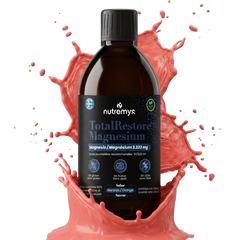
Magnesium
Contributes to the reduction of fatigue and the normal functioning of the nervous system. Often deficient, it supports sleep and relaxation.
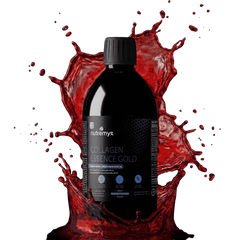
Marine collagen
Natural collagen synthesis slows significantly during menopause. Clinical trials on collagen peptides show an improvement in skin elasticity.
This is precisely the logic behind our “best menopause supplement” approach: don’t rely on a single miracle plant, but combine a foundation of validated vitamins and minerals with a botanical complex. To understand why collagen deserves its place, also see our marine collagen & menopause guide.

4. Lifestyle: the effect multiplier
No supplement can fully compensate for a lifestyle that worsens symptoms. The good news: a few simple adjustments often amplify the effect of everything else.
of bone mass lost per year can occur in the years following menopause—which is why calcium, D3, and movement are so important.
of sleep remain the goal: fragmented sleep amplifies hot flashes, fatigue, and cravings.
of moderate activity per week support mood, weight, and bone density.
When it comes to food: more plants and fiber, protein at every meal to preserve muscle, and attention to dietary soy (tofu, edamame), a natural source of isoflavones. If you are building a comprehensive routine, our article on essential supplements after 50 complements this foundation well.
5. Which natural approach for which symptom?
Rather than a generic list, here is how to tailor a natural approach according to what bothers you most.
| Main symptom | Natural approaches to prioritize |
|---|---|
| Hot flashes | Red clover / isoflavones, black cohosh, sage; avoid alcohol and spicy foods in the evening. |
| Sleep & stress | Magnesium, ashwagandha, vitamin B6; a regular sleep routine. |
| Fatigue & energy | B complex, vitamin C, magnesium, maca; gentle physical activity. |
| Skin & hair | Marine collagen, hyaluronic acid, vitamin C, biotin, zinc. |
| Bones & joints | Calcium, vitamin D3, K2, magnesium; muscle strengthening. |
6. Signs that you could benefit from supplementation
A natural approach is not necessary for everyone. But certain signs indicate that targeted support could really help:
- Moderate hot flashes that disrupt your days or nights.
- Persistent fatigue despite getting adequate sleep.
- Skin that has become looser or dehydrated more quickly over the past few months.
- A diet that is difficult to balance in terms of calcium, vitamin D, or magnesium.
- The desire for an alternative or supplement to HRT, validated with your doctor.
If several of these points resonate with you, now is the right time to establish an approach — natural, measured, and consistent. To identify where you are in the process, our perimenopause vs menopause comparison will help you put into words what your body is experiencing.
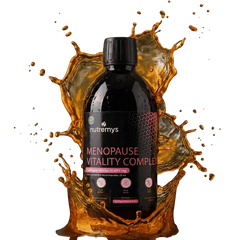
A natural formula designed for menopause
30 active ingredients and 10,000 mg of marine collagen in one daily 25 ml serving, without synthetic hormones — to support your body on all fronts at once.
Discover Menopause Vitality ComplexFrequently asked questions
What is the best natural treatment for menopause?
There is no single “best” natural treatment, but rather a combination that depends on your main symptom. For hot flashes, phytoestrogens (red clover, isoflavones) and black cohosh are the most studied. For fatigue and sleep, magnesium, the B complex, and ashwagandha. A formula combining a foundation of validated vitamins and minerals with a botanical complex addresses several areas in a single dose.
How can menopause be treated naturally, without hormones?
By acting on three fronts: plants and phytoestrogens for vasomotor symptoms, vitamins and minerals (B6, D3, magnesium, calcium) for nutritional support, and a suitable lifestyle (a diet rich in plant foods, regular sleep, physical activity). This approach contains no synthetic hormones and does not require a prescription, but medical advice is still recommended if you are already undergoing treatment.
Are phytoestrogens dangerous?
For most women, dietary phytoestrogens are considered safe and are reassuringly supported by several large cohort studies. Caution is particularly warranted with concentrated extracts in cases of a history of hormone-dependent cancer: in that case, ask your oncologist or gynecologist for advice before taking any supplements.
How long does a natural treatment take to work?
More gradually than HRT. The first effects on energy and sleep are often felt after 3 to 4 weeks; for the skin and overall balance, allow 8 to 12 weeks of continuous use. Consistency is key.
Can a natural treatment replace HRT?
Not systematically. For intense symptoms, HRT remains the medical standard. A natural approach is a relevant alternative in cases of moderate discomfort, contraindications to hormones, or personal choice—and may, in some cases, complement HRT. This decision should always be made with your doctor.
Scientific sources
- European Food Safety Authority (EFSA) — authorized health claims (vitamins B6, D, calcium, magnesium): efsa.europa.eu
- ANSES — Dietary supplements and menopause: anses.fr
- Cochrane Database of Systematic Reviews — Phytoestrogens for menopausal vasomotor symptoms: cochranelibrary.com
- Cochrane Database of Systematic Reviews — Black cohosh (Cimicifuga racemosa) for menopausal symptoms.
- Clinical trials on collagen peptides and skin elasticity (dermatological literature).
This article is for informational purposes and does not replace medical advice. Ask your doctor or pharmacist for advice before taking any supplements, especially in the event of a history of hormone-dependent cancer, ongoing treatment, pregnancy, or breastfeeding.



The information shared on this blog is for educational and informational purposes only. It does not replace medical consultation, diagnosis or treatment prescribed by a healthcare professional. If you have symptoms, are undergoing treatment or are pregnant, consult your doctor before modifying your diet or starting supplementation. Nutremys LAB food supplements should not replace a varied, balanced diet or a healthy lifestyle.
