


Bien-être et Routine

Les 34 symptômes de la ménopause : la liste complète

Saignement vaginal après la ménopause : ce que votre corps vous dit vraiment
Un saignement vaginal après la ménopause n'est jamais un résidu hormonal anodin. La Dra Mariam E.K., gynécologue, explique toutes les causes possibles — de l'atrophie bénigne au cancer de l'endomètre — et les examens indispensables à demander sans attendre.
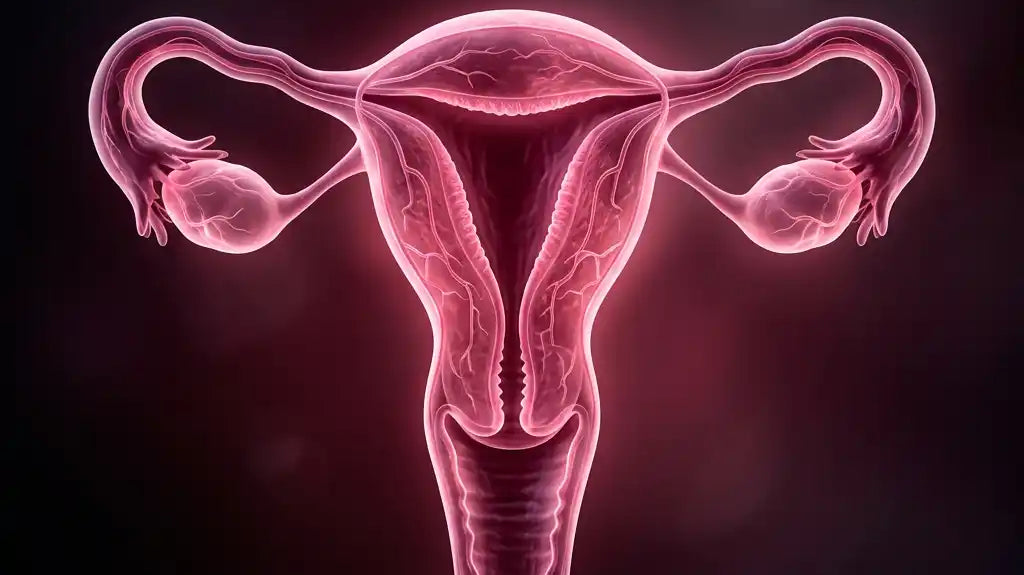
Endomètre épaissi en ménopause : causes, symptômes et traitements
L'endomètre épaissi en ménopause peut indiquer un déséquilibre hormonal. Découvrez les causes fréquentes, les symptômes d'alerte, les traitements et comment soutenir votre bien-être naturellement.
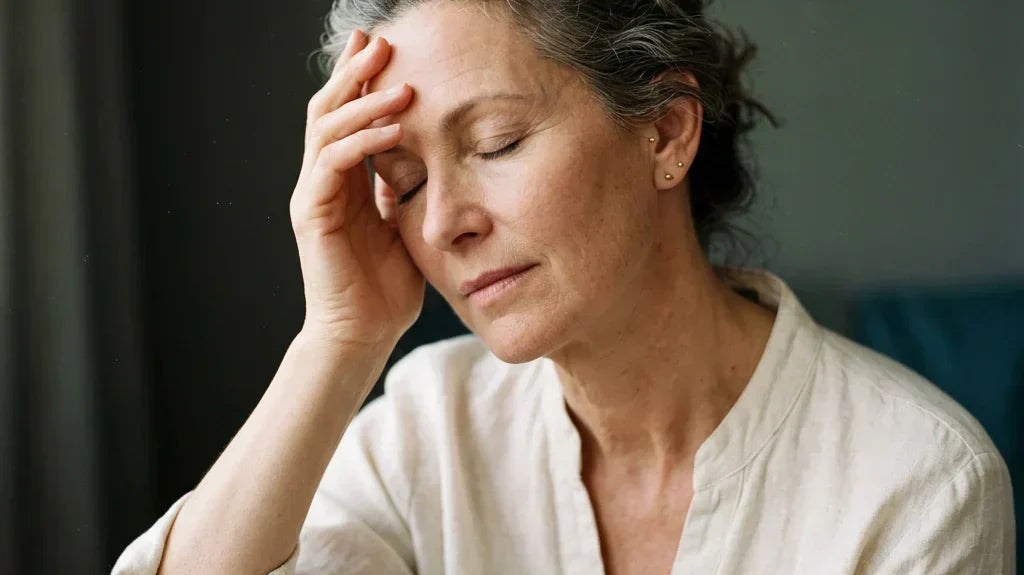
Vertiges et ménopause : causes hormonales et solutions
Vos vertiges en péri-ménopause ne sont presque jamais "rien". La chute des œstrogènes perturbe directement l'oreille interne et la régulation tensionnelle. Avant d'évoquer le stress, voici ce que peu de médecins vous expliquent — et comment apaiser les épisodes au quotidien.

Urine qui sent fort chez la femme : ménopause, causes et solutions
La chute des œstrogènes modifie la muqueuse vésicale, le pH intime et le microbiote urinaire — ce qui explique pourquoi l'urine change d'odeur à la ménopause. Découvrez les causes, les types d'odeurs, les signaux d'alerte et les solutions naturelles pour protéger votre santé urinaire.

Douleurs pelviennes sans règles : pourquoi ça persiste à la ménopause
Crampes, tiraillements, douleurs ovariennes sans règles… Pourquoi ces douleurs persistent après la ménopause ? Causes hormonales, signaux d'alerte et solutions naturelles.

Kystes ovariens après la ménopause : symptômes, risques et suivi

Ménopause : Symptômes, Hormones, Traitements & Conseils de Gynécologue (Guide Complet 45+)
La ménopause est une étape naturelle de la vie féminine, mais ses symptômes — bouffées de chaleur, troubles du sommeil, sécheresse vaginale, prise de poids ou ostéoporose — peuvent impacter profondément la qualité de vie.
Dans ce guide complet, un gynécologue expert explique ce qui se passe réellement au niveau hormonal, quand consulter, quels traitements hormonaux (THS) ou naturels envisager et comment protéger sa santé à long terme.

Périménopause vs Ménopause : Comment Identifier Votre Étape (Et Agir en Conséquence)
La périménopause commence entre 40-45 ans avec des cycles irréguliers et des symptômes légers, tandis que la ménopause est confirmée après 12 mois sans menstruation (moyenne : 51 ans). Différences clés : la périménopause dure 4-8 ans avec des niveaux hormonaux fluctuants ; la ménopause marque la fin définitive de la fonction ovarienne. Les deux étapes partagent des symptômes comme les bouffées de chaleur, mais diffèrent en intensité et durée. Identifier votre étape permet d'appliquer des stratégies spécifiques de bien-être.
