
Bien-être et Routine

Les 34 symptômes de la ménopause : la liste complète

Carence en magnésium et ménopause : symptômes et solutions
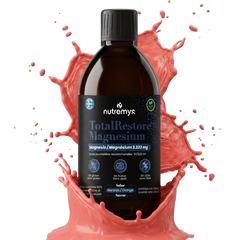
Fatigue inexpliquée, crampes nocturnes, anxiété, bouffées de chaleur amplifiées… Ces signaux ont souvent une racine commune que l'on sous-estime : le déficit en magnésium. À la ménopause, la chute des œstrogènes réduit l'absorption de ce minéral essentiel — impliqué dans plus de 300 réactions enzymatiques. Découvrez pourquoi votre corps en manque plus à cette période, et comment y remédier avec la bonne forme de magnésium.

Bouffées de chaleur : causes, durée et solutions naturelles

Sécheresse vulvaire à la ménopause : remèdes naturels et solutions durables
La chute des œstrogènes amincit les muqueuses, réduit la lubrification naturelle et modifie le pH intime. Ce guide détaille les causes de la sécheresse vulvaire à la ménopause, les remèdes naturels validés, les soins quotidiens essentiels et le rôle des phytoestrogènes et du collagène pour retrouver confort et confiance intime.

Saignement vaginal après la ménopause : ce que votre corps vous dit vraiment
Un saignement vaginal après la ménopause n'est jamais un résidu hormonal anodin. La Dra Mariam E.K., gynécologue, explique toutes les causes possibles — de l'atrophie bénigne au cancer de l'endomètre — et les examens indispensables à demander sans attendre.
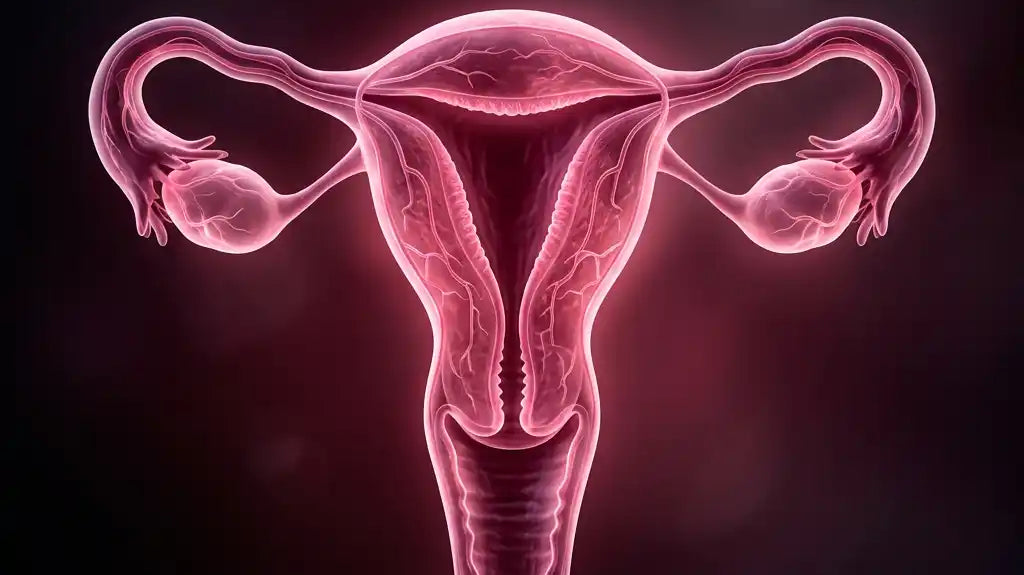
Endomètre épaissi en ménopause : causes, symptômes et traitements
L'endomètre épaissi en ménopause peut indiquer un déséquilibre hormonal. Découvrez les causes fréquentes, les symptômes d'alerte, les traitements et comment soutenir votre bien-être naturellement.
Bouffées de chaleur la nuit : ce qui se passe dans ton corps et comment y répondre
Les bouffées de chaleur nocturnes ne sont pas un mystère. Elles répondent à un mécanisme physiologique précis : la chute des estrogènes rétrécit la zone thermoneutre de l'hypothalamus. Comprendre ce mécanisme, c'est déjà reprendre la main.
Vertiges et ménopause : causes hormonales et solutions
Vos vertiges en péri-ménopause ne sont presque jamais "rien". La chute des œstrogènes perturbe directement l'oreille interne et la régulation tensionnelle. Avant d'évoquer le stress, voici ce que peu de médecins vous expliquent — et comment apaiser les épisodes au quotidien.
Urine qui sent fort chez la femme : ménopause, causes et solutions
La chute des œstrogènes modifie la muqueuse vésicale, le pH intime et le microbiote urinaire — ce qui explique pourquoi l'urine change d'odeur à la ménopause. Découvrez les causes, les types d'odeurs, les signaux d'alerte et les solutions naturelles pour protéger votre santé urinaire.
Douleurs pelviennes sans règles : pourquoi ça persiste à la ménopause
Crampes, tiraillements, douleurs ovariennes sans règles… Pourquoi ces douleurs persistent après la ménopause ? Causes hormonales, signaux d'alerte et solutions naturelles.

Kystes ovariens après la ménopause : symptômes, risques et suivi

Saignements en périménopause : comprendre, identifier et agir
Règles abondantes, spotting, cycles imprévisibles en périménopause ? Causes hormonales, signaux d'alerte et solutions naturelles pour retrouver l'équilibre.
