


5 Silent Signs of Protein Deficiency After 45
Subtle muscle loss, persistent fatigue, thinning hair, late-day sugar cravings — these signals seem mundane. Yet, during perimenopause and menopause, they often point to the same underestimated cause: protein intake that has become insufficient for needs that, in fact, have increased.
Standard protein intake recommendations (0.8 g/kg/day) were calculated based on healthy young men. From age 45 onwards, and even more so during hormonal transition, actual needs climb to 1.2 to 1.6 g/kg/day — up to double. The drop in estrogen leads to anabolic resistance: for the same intake, muscles synthesize less. The result: a large proportion of perimenopausal/postmenopausal women are in chronic deficit without realizing it. The signs are subtle but cumulative, and the good news is that they respond quickly to targeted dietary rebalancing.
Why your protein needs skyrocket after 45
Most adult women consume between 0.8 and 1 gram of protein per kilogram of body weight per day. This is exactly the threshold recommended by health authorities since the 1980s — a threshold calibrated to prevent severe deficiency, not to optimize muscle mass, satiety, or metabolism. This threshold was established for young, healthy populations. In perimenopause and menopause, several biological mechanisms change the game.
Post-estrogenic anabolic resistance
Estrogen does more than just regulate the menstrual cycle. It potentiates muscle protein synthesis: for an equivalent intake, a muscle exposed to good estradiol levels produces more fibers than a muscle that lacks it. When ovarian production decreases, this anabolic signal fades. The same steak, the same egg, the same bowl of lentils produces less muscle at 52 than at 32. This phenomenon is called anabolic resistance. To compensate, you need to either increase the quantity, improve the quality (essential amino acids, leucine), or both.
Sarcopenia starts earlier than you think
Sarcopenia — the progressive loss of muscle mass and strength — is not reserved for the very elderly. It begins in the thirties at a rate of 0.3 to 0.8% per year, then accelerates to 1 to 2% per year after 50, with strength loss potentially reaching 3% per year. Over ten years, without intervention, that's easily 10 to 15% of muscle mass gone — with all the associated consequences: slowed metabolism, joint fragility, loss of autonomy, increased risk of falls and fractures.
A metabolism that changes its function
Estrogen decline also changes body composition: fat mass redistributes to the abdominal area, insulin sensitivity decreases, and basal metabolism drops largely because muscle mass decreases. Increasing protein intake is therefore not just a matter of muscle — it is a direct metabolic lever for weight, blood sugar, and low-grade inflammation. To understand the full hormonal context of this transition, read our perimenopause vs. menopause guide.

The 5 silent signs of protein deficiency
None of these signs are dramatic. That's precisely what makes them difficult to identify: we attribute them to age, stress, a bad night, the weather. Yet, their grouping and gradual onset paint a coherent picture that deserves to be named.
This is the earliest and most underestimated sign. Muscle mass loss isn't visible in the mirror at first — it's compensated by a visible weight loss or stability. But body composition changes: less muscle, more fat, at the same weight. Concrete clues: your handshake becomes weaker, opening a jar takes real effort, climbing three flights of stairs leaves you out of breath when it didn't two years ago, your clothes fit differently even though the scale hasn't moved. If you recognize yourself, check your protein intake before anything else.
Chronic fatigue has many possible causes — hormonal, thyroid, iron or vitamin D deficiencies, poor sleep quality. But protein deficiency is one, often overlooked. Proteins provide the amino acid precursors for neurotransmitters (tyrosine for dopamine, tryptophan for serotonin) and the building blocks for mitochondrial enzymes. Without sufficient materials, the cellular machinery runs at a slow pace. The diagnosis is simple: if after three weeks of well-distributed 1.4 g/kg/day of protein, your energy noticeably increases, you've probably found part of the cause.
Hair, nails, skin, mucous membranes: all these tissues renew constantly and require a steady flow of amino acids (especially sulfur-containing ones — methionine, cysteine — and glycine, proline, lysine for collagen). When protein intake decreases, the body prioritizes vital functions and cuts investment in these "non-essential" tissues. The result: diffuse hair loss, nails that split and break, skin that wrinkles faster, slow healing. This is often the sign that brings women to consultation — without them connecting it to their diet.
A slightly long walk leaves you with muscle soreness for three days. A common cold drags on for two weeks. A small cut takes fifteen days to close. All these phenomena point to the same defect: the tissue repair machine lacks materials. The immune system, muscle regeneration, and skin healing all depend on the availability of amino acids. A classic study shows that protein intake below the sufficient threshold prolongs muscle recovery time by 30 to 50% after moderate exertion.
This is the sign least associated with protein deficiency — yet one of the most telling. When lunch is low in protein (light salad, sandwich, pasta without meat), blood sugar rises quickly and drops just as quickly. The feeling of hunger returns in the mid-afternoon and translates into a craving for high-glycemic sugary foods — biscuits, chocolate, large quantities of dried fruit. Increasing the protein content of lunch (25 to 35 g of protein) smooths blood sugar throughout the afternoon and makes cravings disappear in a few days. If you experience sugar cravings and other hormonal symptoms, read our guide to little-known menopause symptoms for a broader picture.
How much protein, really? Table by profile
Recommendations vary depending on age, physical activity, hormonal status, and objective (maintain, rebuild, preserve bone density). Here's an operational guide to estimate your daily target — to be weighed with your doctor if you have kidney, liver, or metabolic conditions.
| Profile | Recommended intake | Documentation level |
|---|---|---|
| Women aged 30–45, moderate activity | 1.0 to 1.2 g/kg/day | International consensus |
| Women aged 45–60, perimenopause, moderate activity | 1.2 to 1.4 g/kg/day | PROT-AGE, ESPEN |
| Women 60+ years, post-menopause | 1.2 to 1.5 g/kg/day | PROT-AGE, ESPEN |
| Active women, athletes, or those losing weight | 1.4 to 1.6 g/kg/day | Sport-nutrition consensus |
| Women in recovery (illness, surgery) | 1.5 to 2.0 g/kg/day | Clinical recommendations |
| Moderate to severe kidney failure | 0.6 to 0.8 g/kg/day — medical advice required | Specific context |
In concrete terms: for a 65 kg perimenopausal woman, the target is between 78 and 91 g of protein per day. Ideally distributed over three or four intakes of 25 to 30 g — this is the threshold beyond which muscle synthesis is truly stimulated in mature adult women. A single large protein-rich meal in the evening does not "catch up" for a low-protein breakfast and lunch.
The PROT-AGE group (European Geriatric Society) and ESPEN (European Society for Clinical Nutrition and Metabolism) recommendations have converged for more than a decade: protein needs in adults over 50 are higher than historical reference intakes. The WHAS (Women's Health and Aging Study) showed that women consuming less than 0.8 g/kg/day had twice the risk of losing muscle strength measured over three years, compared to those at 1.2 g/kg or more.
The best sources and optimal timing
The quality of a protein is measured by two criteria: its digestibility (the proportion actually absorbed) and its essential amino acid composition, particularly leucine, which triggers muscle synthesis. Animal proteins score highest; plant proteins often need to be combined to achieve a complete profile.
The most effective animal sources
Eggs (6 g per egg, reference amino acid profile), white fish (20-22 g per 100 g), fatty fish like sardines or mackerel (which also provides omega-3s), poultry (20-25 g per 100 g), lean red meat (in reasonable quantities, 1 to 2 times per week), fermented dairy products (skyr, quark, Greek yogurts: 8 to 12 g per serving). Fermented dairy products are particularly interesting during menopause as they provide calcium, protein, and probiotics beneficial for bone and intestinal health.
Preferred plant sources
Legumes (lentils, chickpeas, red beans: 8-9 g per 100 g cooked), firm tofu (12-15 g per 100 g), tempeh (19 g per 100 g), edamame, hemp seeds (30 g of protein per 100 g), nutritional yeast, quinoa (14 g per 100 g raw). To achieve a complete amino acid profile without animal products, combine a legume and a grain at each meal (lentils + rice, chickpeas + couscous, beans + corn tortilla). Phytoestrogens from soy and legumes also have an interesting modulating effect during hormonal transition.
Timing — often more important than total quantity
Three operational principles. First: each meal should contain 25 to 30 g of protein. A typical sweet breakfast (toast + jam + juice) provides 5 to 8 g — very insufficient. Second: a protein-rich breakfast is the most effective lever. Eggs, quark, skyr, scrambled tofu, or hummus on whole-wheat bread transform satiety and energy throughout the morning. Third: a protein portion around 6-7 PM supports nocturnal recovery and muscle synthesis during sleep.

When diet is enough — and when it's not
A fundamental question, and an honest answer: for the majority of perimenopausal and postmenopausal women, diet alone can cover protein needs provided it is consciously structured. No need for powders, bars, or shakes to reach 1.2 to 1.4 g/kg/day if breakfast contains eggs or skyr, lunch fish or legumes, and dinner a moderate protein. This is the first and by far the most sustainable approach.
Before thinking about supplementing, take the test. For three weeks, structure your meals to reach 25 to 30 g of protein at each main meal (use a tracking app or a simple table for the first few days to calibrate). Observe your energy, sleep, cravings, and muscle sensation. Most women notice a clear change within 14 to 21 days. If nothing changes, the problem is likely elsewhere (thyroid, iron, vitamin D, sleep).
Important transparency
Nutremys does not (yet) offer protein supplements. This is a deliberate editorial choice: we believe that diet is the right lever for this category of needs, and that a serious brand does not create a product simply to fill a commercial category. Protein powder supplements have a legitimate place — for intensive athletes, women recovering from surgery, very restrictive diets, or swallowing difficulties — but they are not the primary answer to ordinary protein deficiency in peri/post-menopause.
The nutritional levers where we intervene
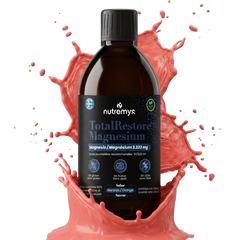
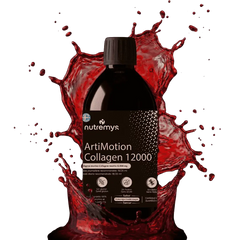
Where supplements provide real added value for women aged 45+ is in synergistic micronutrients: magnesium (muscle recovery, sleep), B vitamins (cellular energy, protein metabolism), hydrolyzed marine collagen (specifically targeting the extracellular matrix), vitamin D, and coenzyme Q10 (muscle strength and mitochondrial function). A protein-rich diet works even better when these cofactors are available. To understand how these micronutrients interact with hormonal context, read our guide to essential supplements after age 50.
Most Frequent Mistakes to Correct
Increasing protein intake isn't just about eating more meat. Here are the most common pitfalls observed in women who decide to adjust their intake.
Concentrating all protein at dinner
This is mistake #1. A 200g steak in the evening is not equivalent to three 25g portions spread throughout the day. Muscle protein synthesis is capped per meal in mature adults; beyond 35 to 40g, the excess is metabolized for energy without muscular benefit. Distribute your intake.
Neglecting breakfast
A sugary breakfast (juice, pastry, cereals) remains a difficult cultural standard to dislodge. Yet, this is where protein leverage has the most impact: on satiety throughout the morning, on cognitive energy, and on afternoon cravings.
Confusing a high-protein diet with adequate intake
Reaching 1.4 g/kg/day is not a high-protein diet. It is simply an intake adapted to biological needs. Strict Dukan or ketogenic diets often go up to 2.5–3 g/kg, which offers no additional benefit and can generate an unnecessary renal load.
Forgetting plant proteins
Legumes, tofu, tempeh, hemp seeds offer an excellent quality/environmental impact/satiety ratio. Combining them with animal proteins 3 to 4 times a week is probably the most sustainable long-term approach.
Neglecting chewing
Poorly chewed protein is poorly digested and poorly absorbed. In women aged 50+, hydrochloric acid secretion gradually decreases—which reduces protein digestion. Eating slowly and chewing well is a free and underestimated absorption lever.
Believing that physical activity is not important
Without mechanical stimulation (fast walking, strength training, carrying loads), muscle does not effectively absorb amino acids, even with correct intake. The ideal is to combine a protein-rich diet with two to three weekly strength training sessions.
Frequently Asked Questions
This article is for informational and educational purposes only. It does not replace personalized medical advice. General protein recommendations do not apply in cases of kidney, liver, or metabolic disease: medical supervision is then essential.
Read also
Vitamin C: benefits, needs, and food sourcesVitamin C plays a key role in collagen synthesis and iron absorption—two functions closely linked to protein metabolism.
Support metabolism and energy during hormonal transition
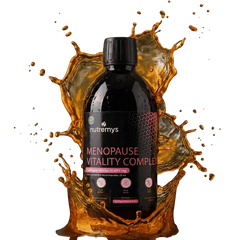
A protein-rich diet works even better when supported by the right micronutritional cofactors. Menopause Vitality Complex combines B vitamins (energy metabolism), bisglycinate magnesium (muscle recovery), hydrolyzed marine collagen (extracellular matrix), and adaptogenic plants—to support all hormonal, metabolic, and tissue aspects of the transition.
Discover Menopause Vitality Complex →The information shared on this blog is for educational and informational purposes only. It does not replace medical consultation, diagnosis or treatment prescribed by a healthcare professional. If you have symptoms, are undergoing treatment or are pregnant, consult your doctor before modifying your diet or starting supplementation. Nutremys LAB food supplements should not replace a varied, balanced diet or a healthy lifestyle.
